

Wincent Weiss Sommer Tour 2026
Task
Creative & Show Direction
Wincent and his team had been developing an idea for a modular stage that could transform between two distinct worlds: HELL and DUNKEL, bright and dark. The concept was already there when I joined the project. My task was to develop it into a complete show, working with the architecture, the music and Wincent’s particular way of performing.
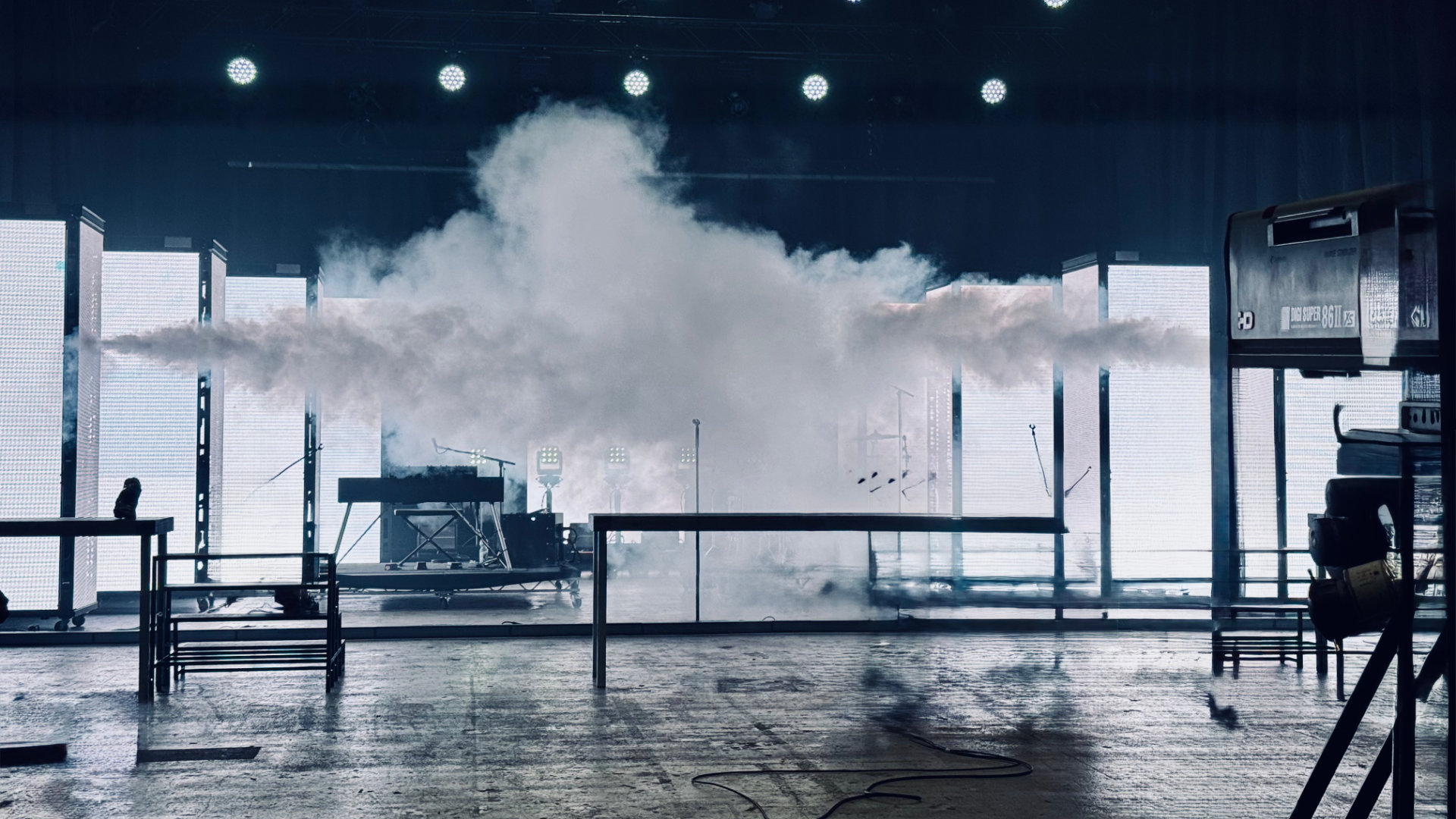
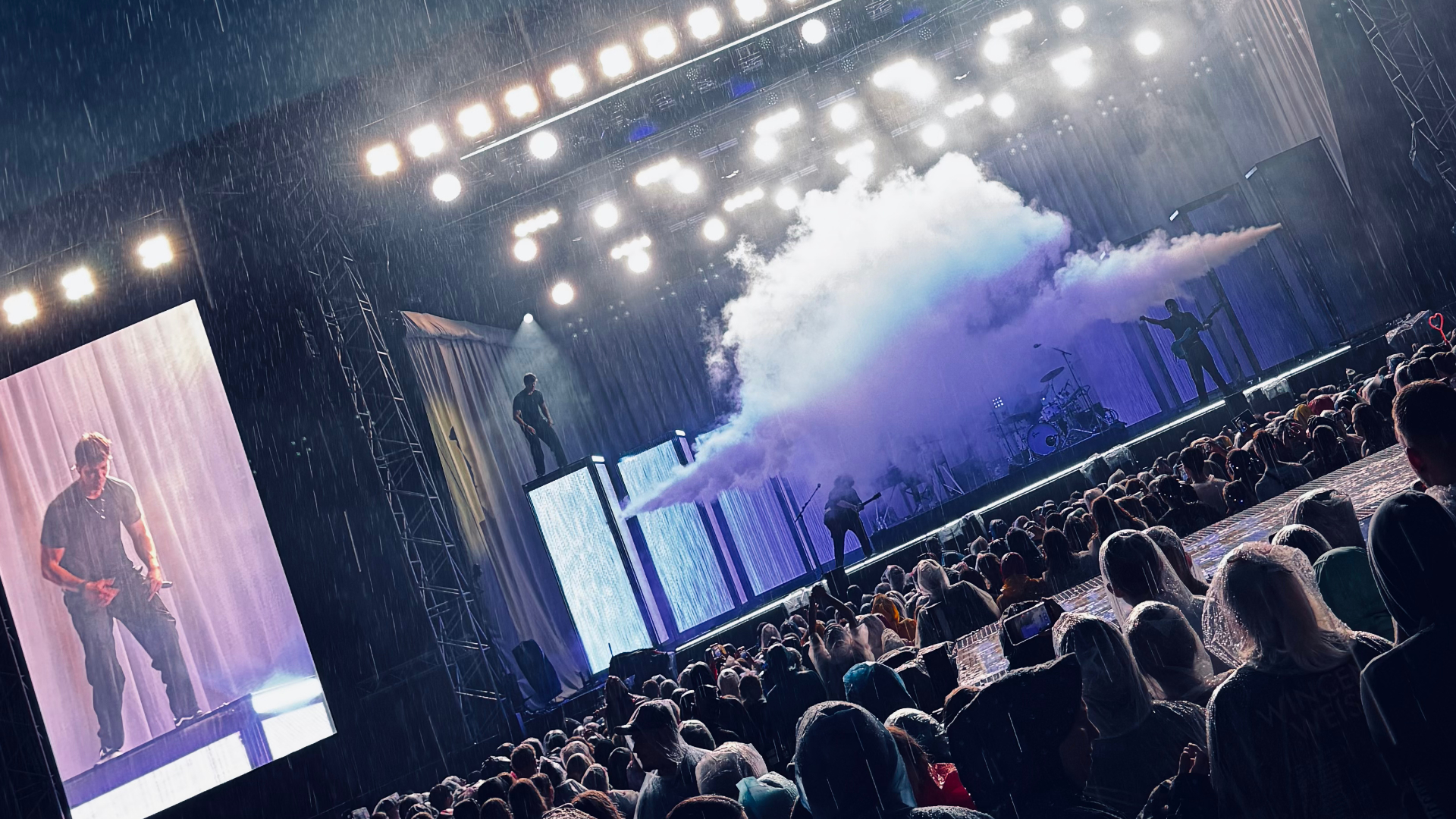
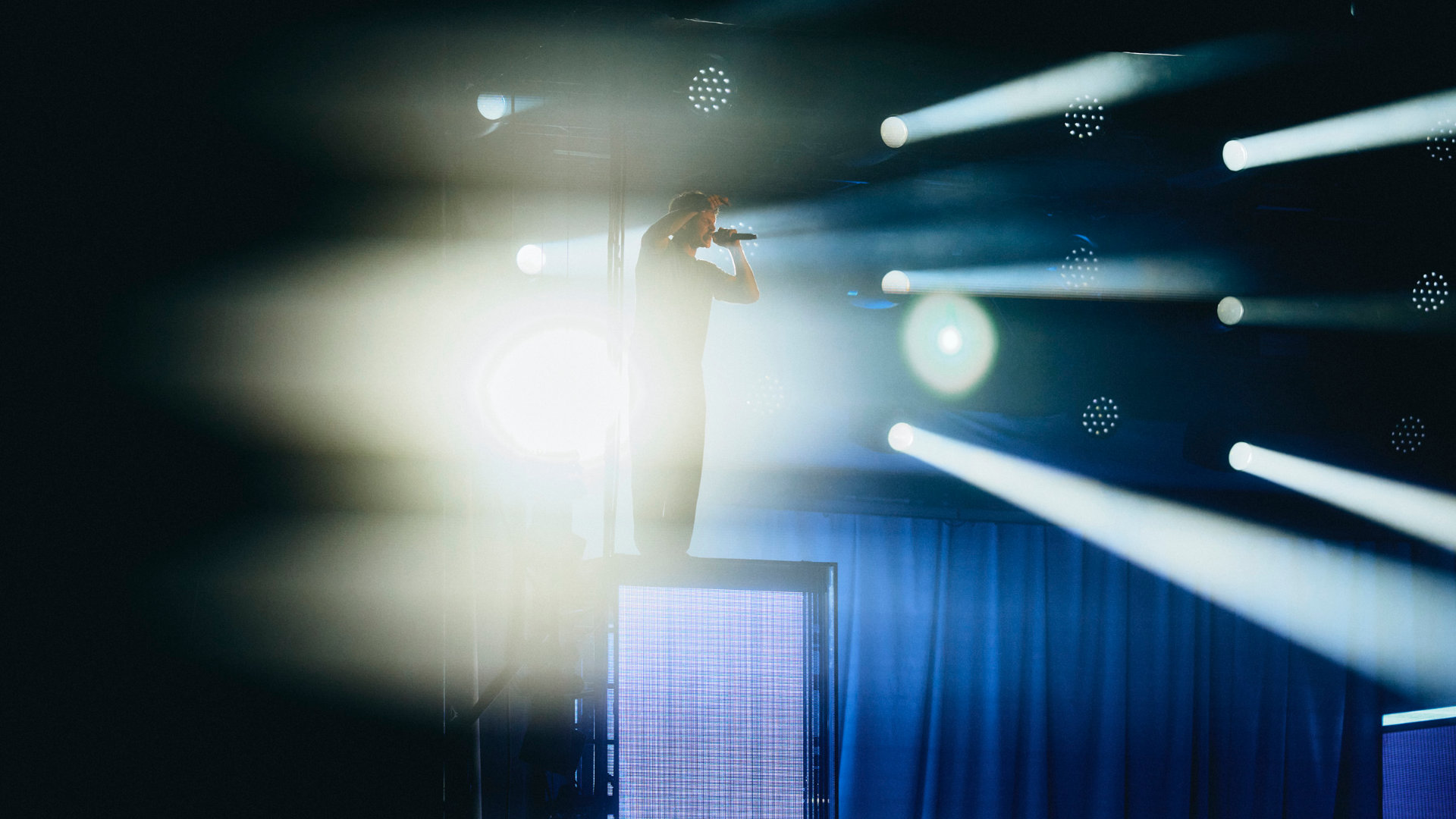
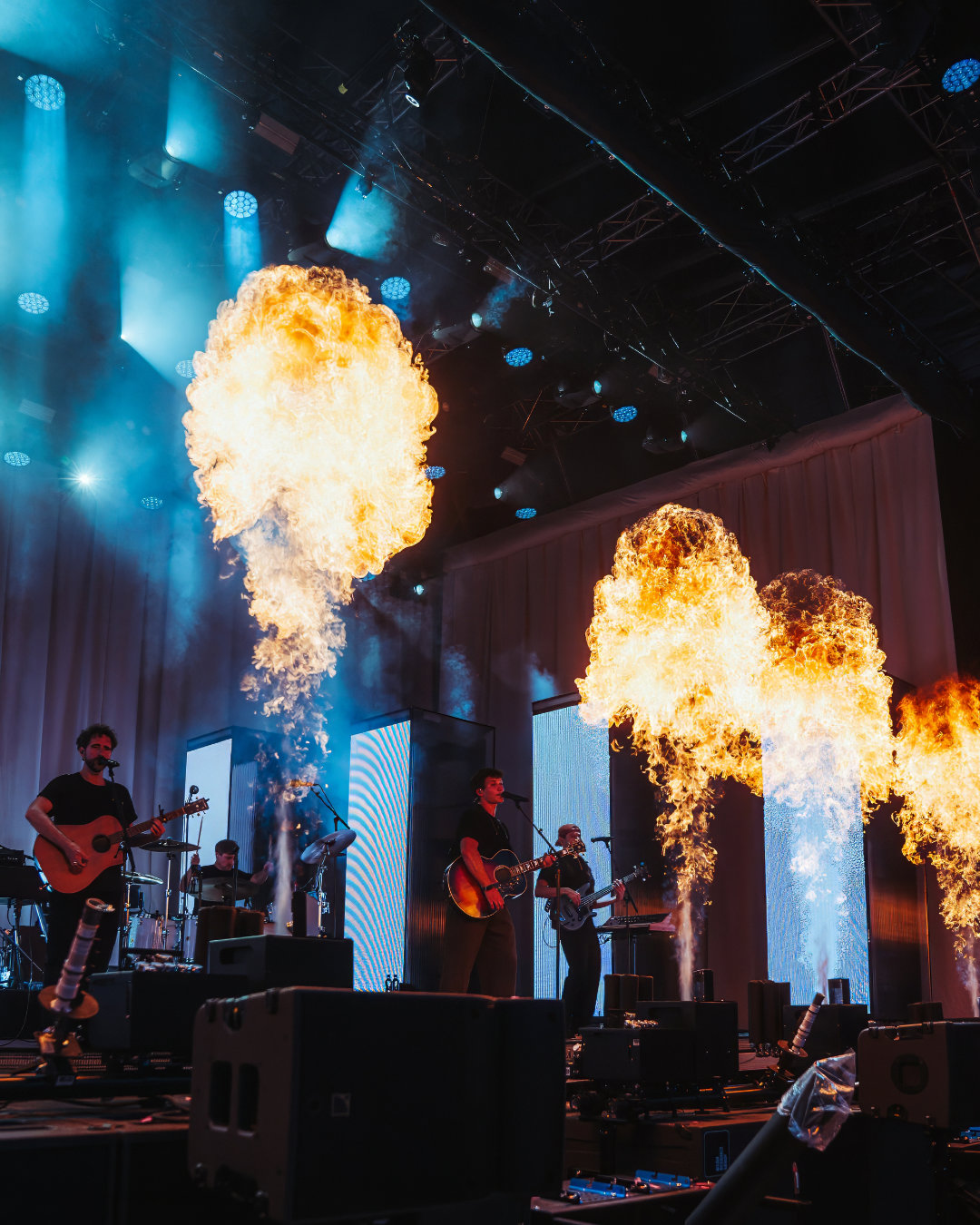
In its bright configuration, the stage opens into a series of individual LED towers, framed by a beige curtain. Later, those same towers come together to form a continuous LED wall against a black backdrop. The transformation gave us the basis for the show’s dramaturgy. We could move from an open, playful first half into something denser and more intense, using the same stage architecture in two very different ways. And because this was a summer tour, much of the first half would take place in daylight. That became an important consideration in how we developed the visual language.
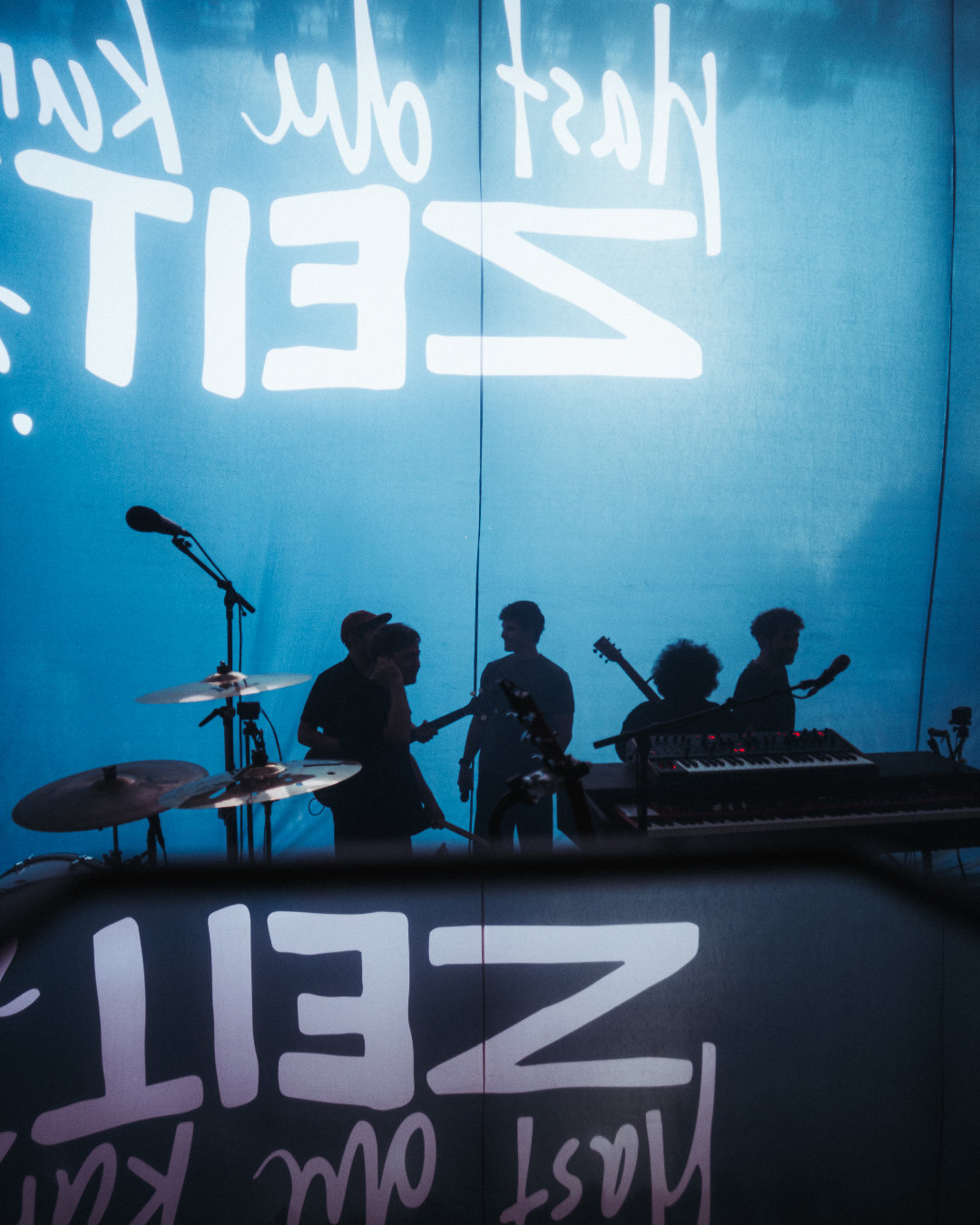
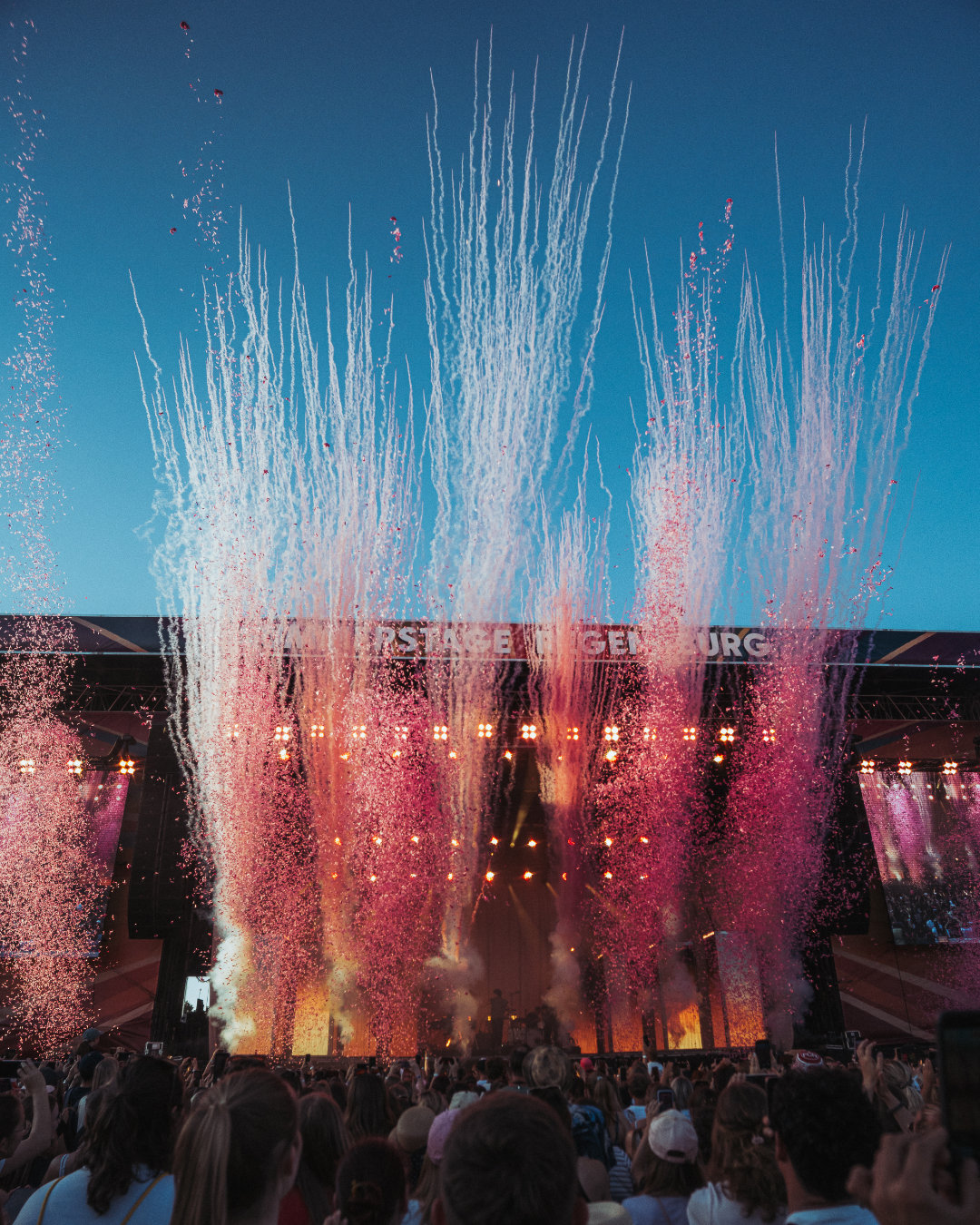
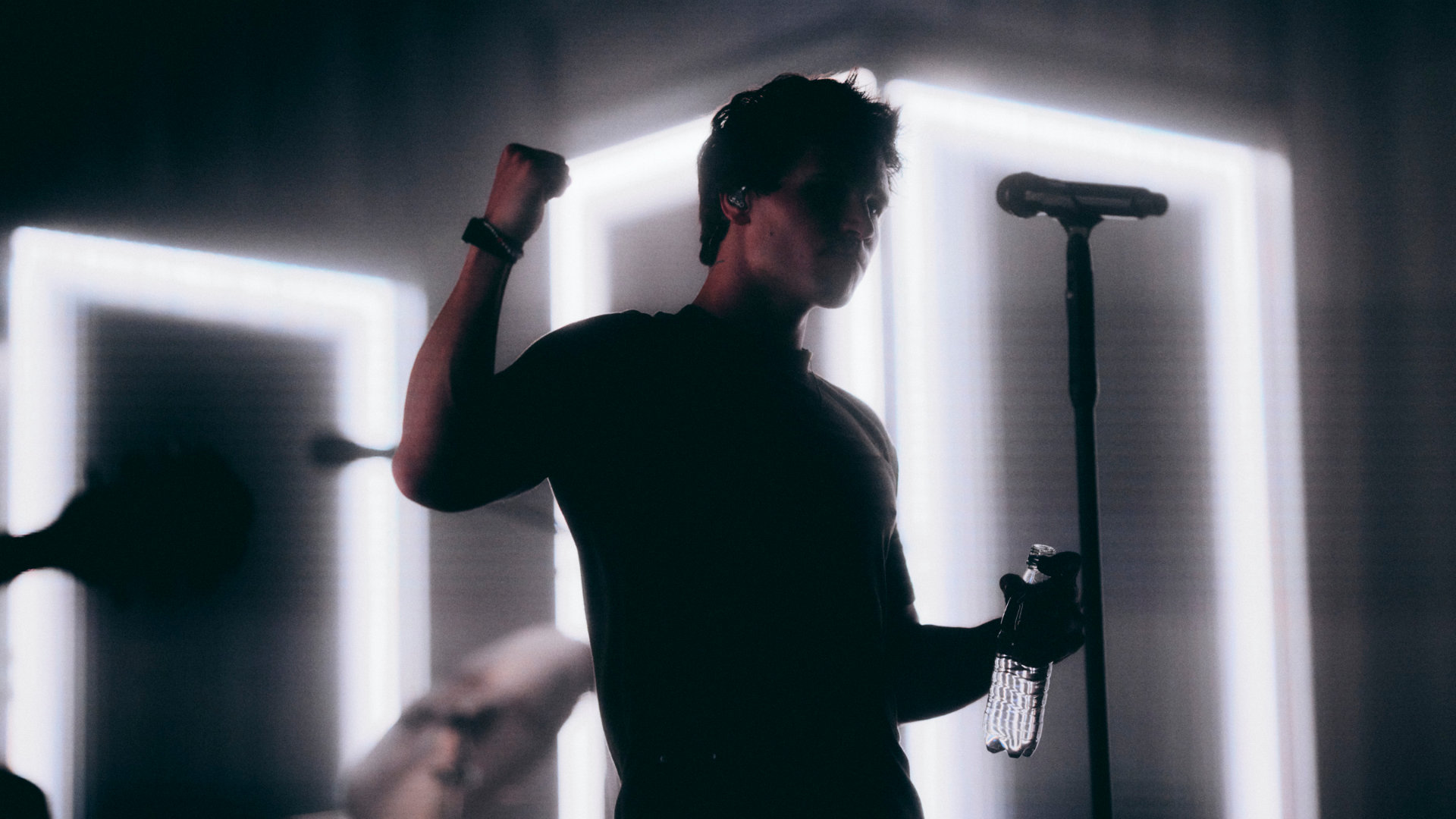
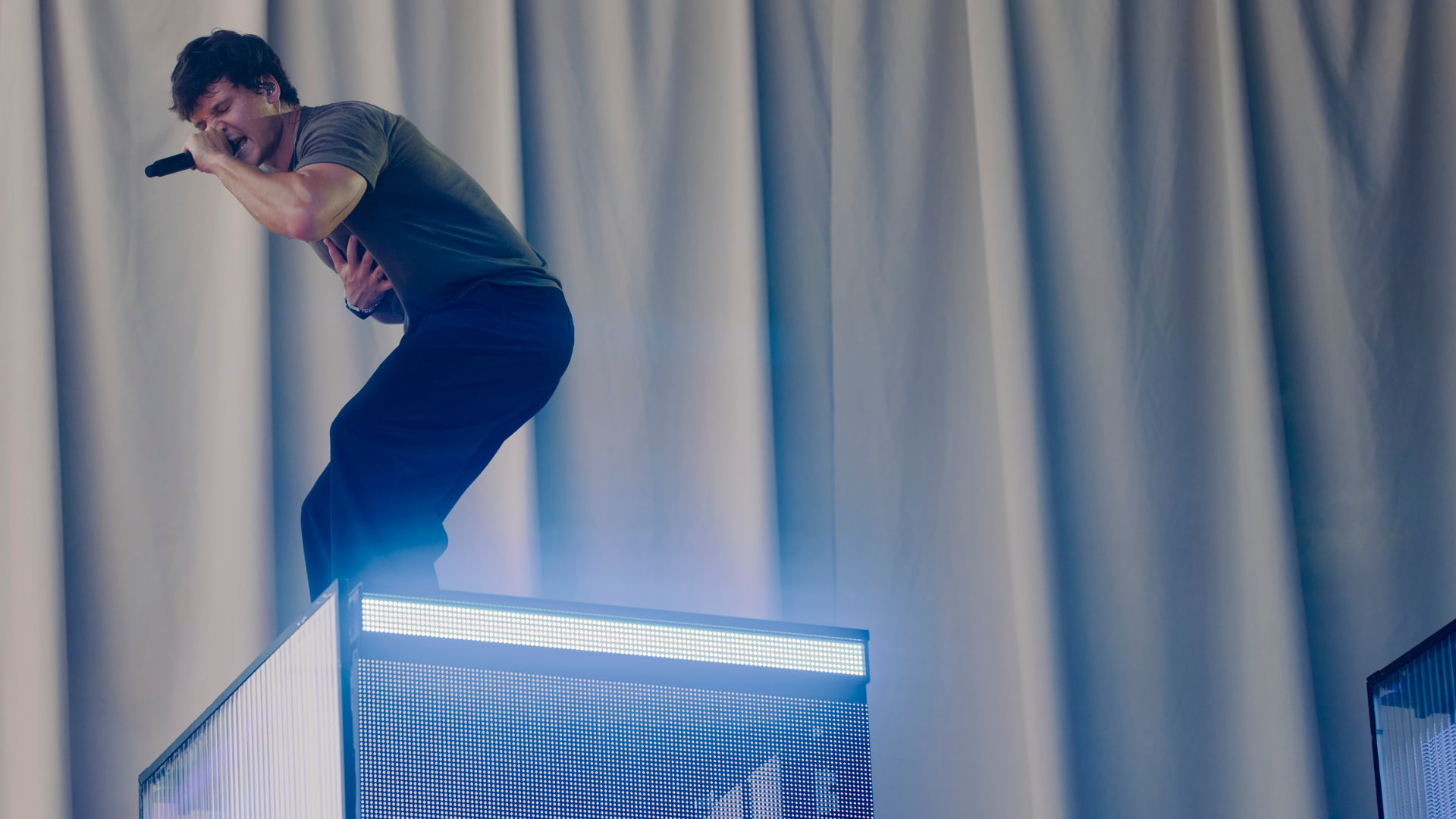
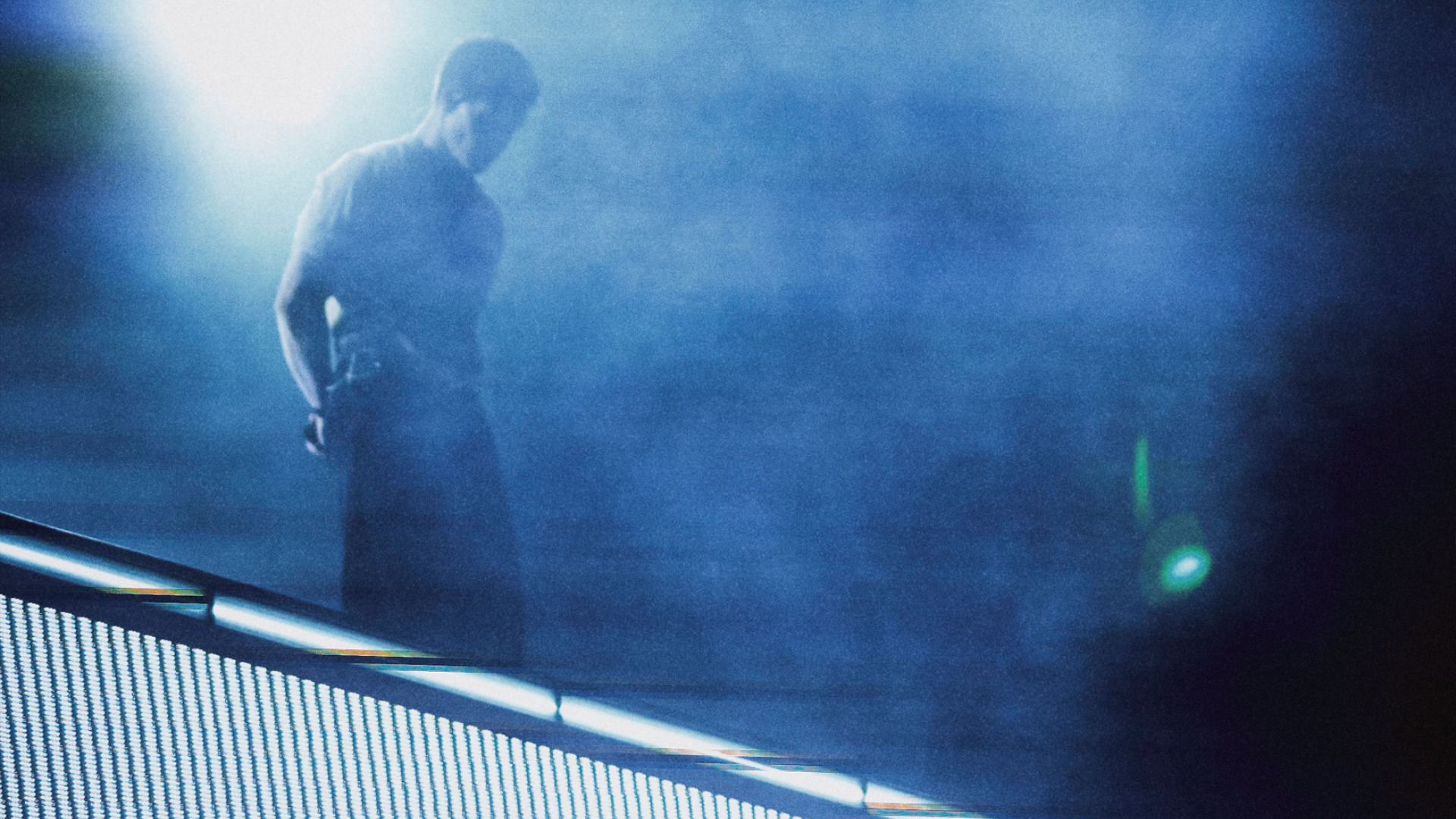
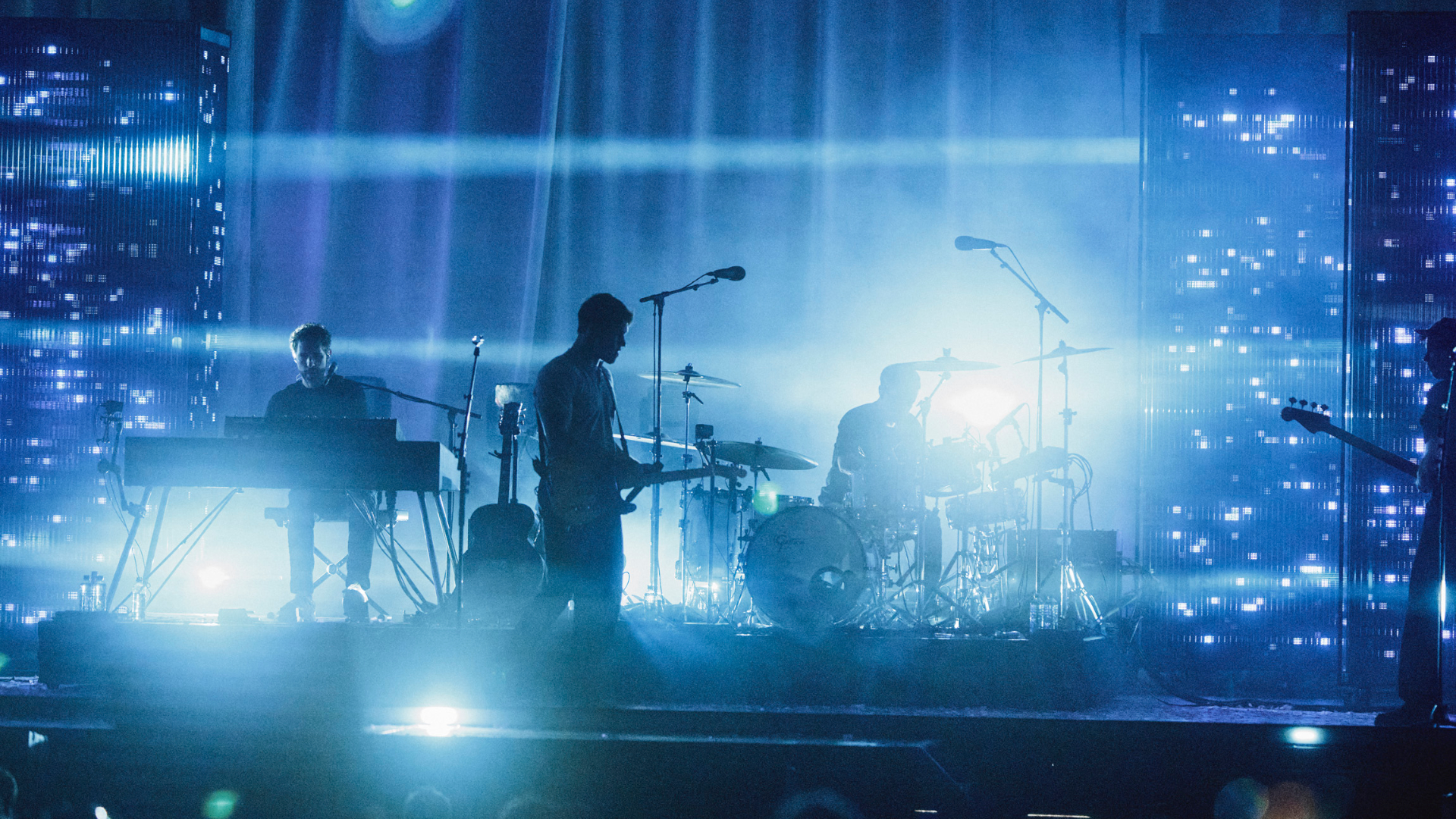
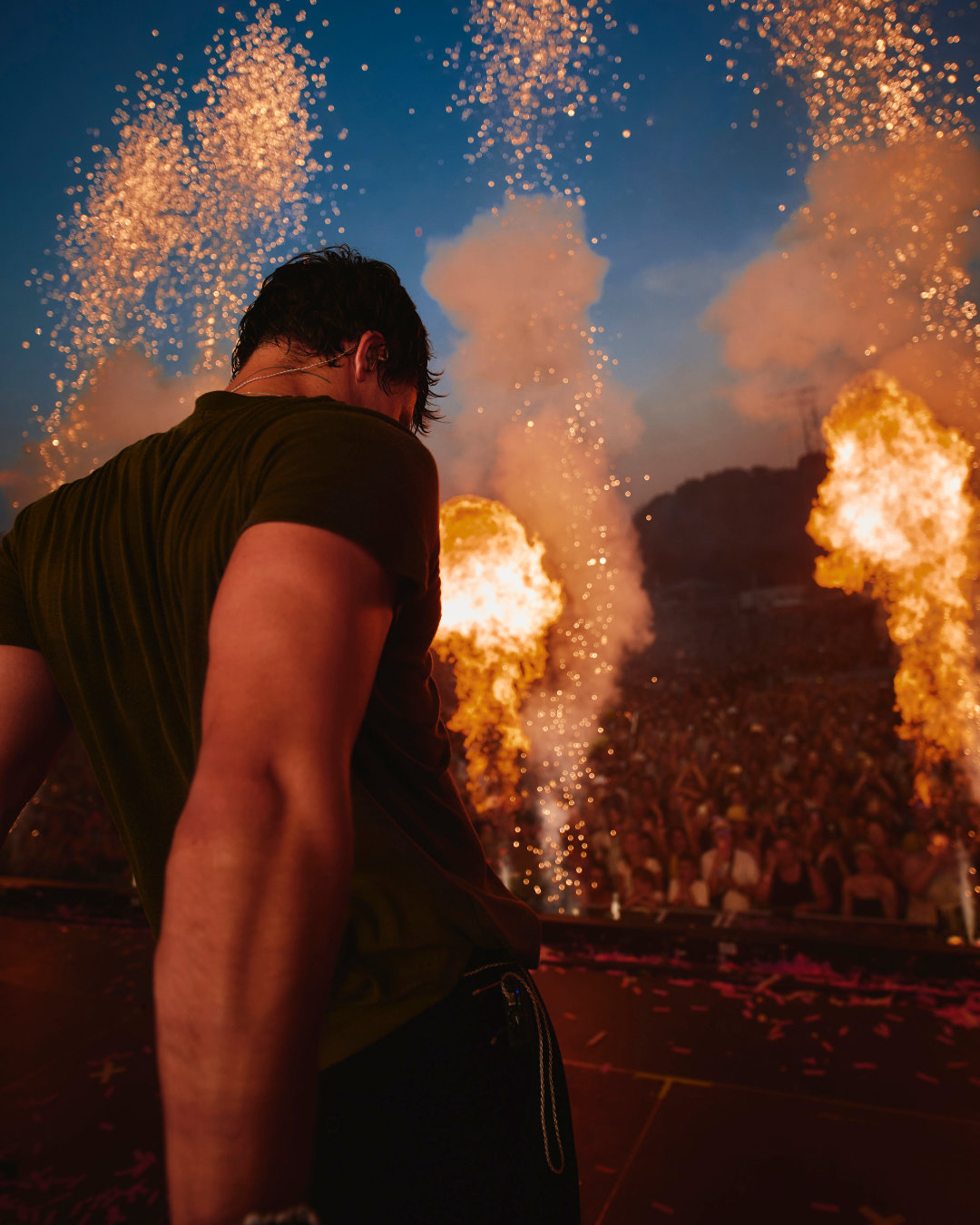
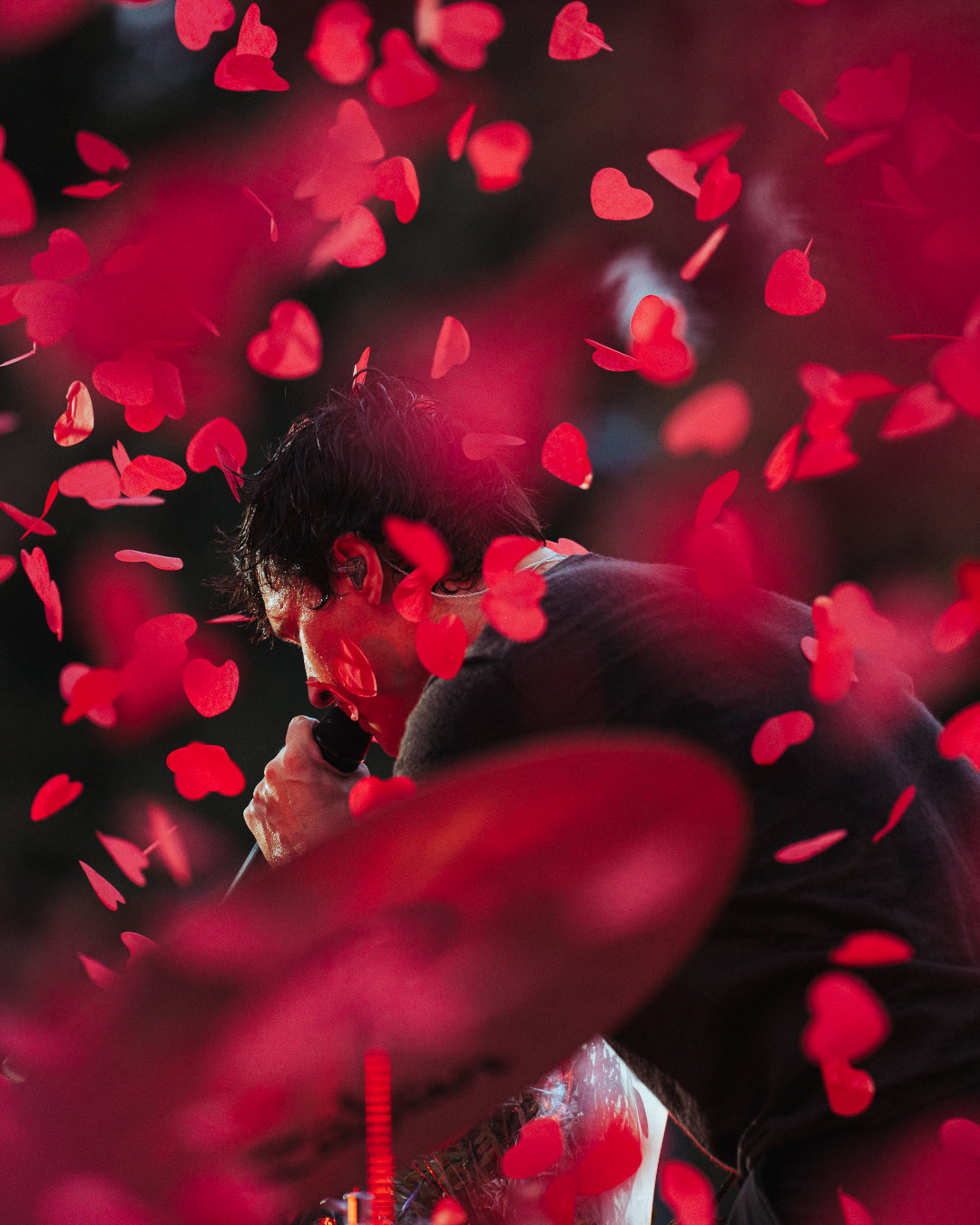
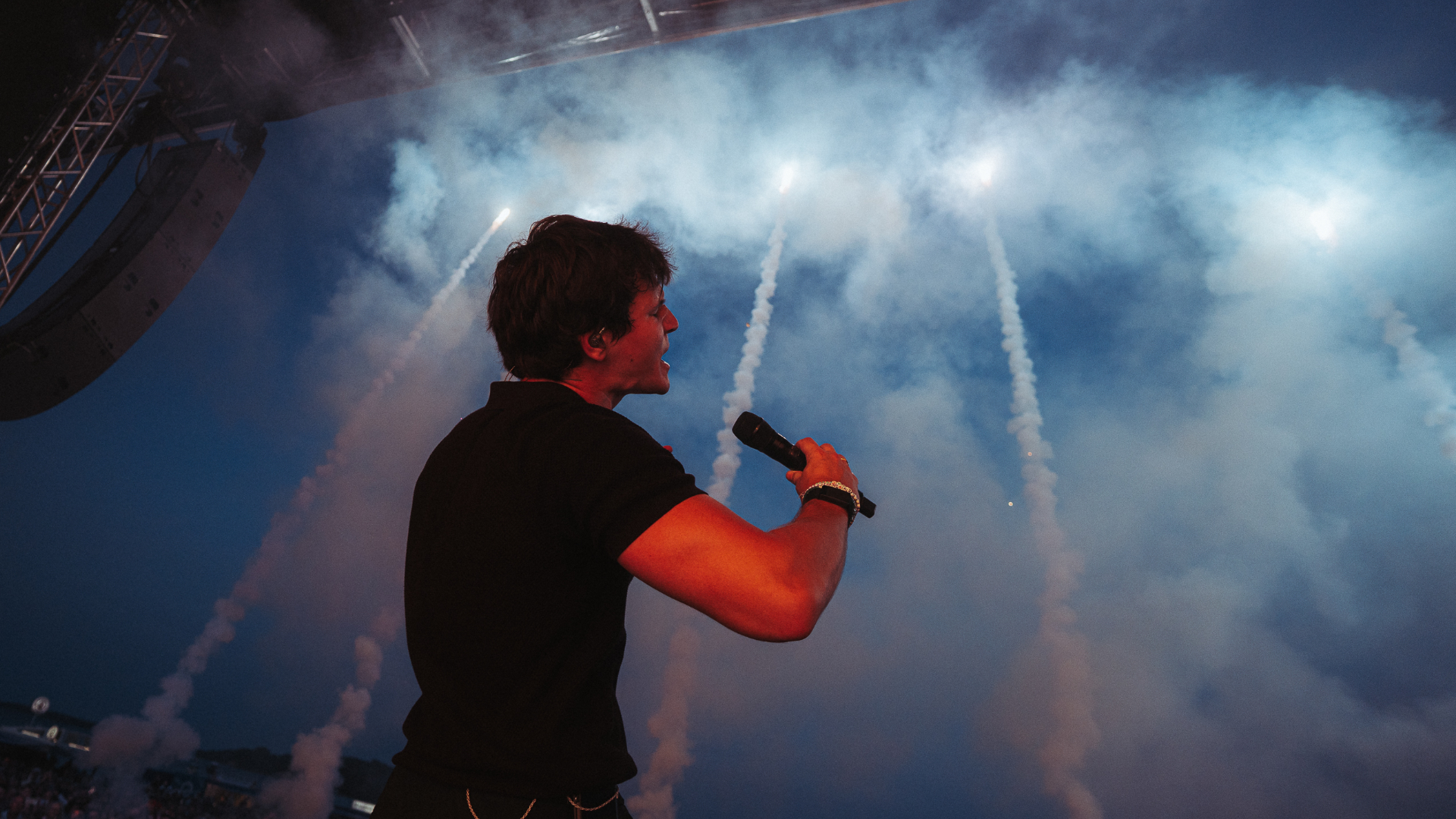
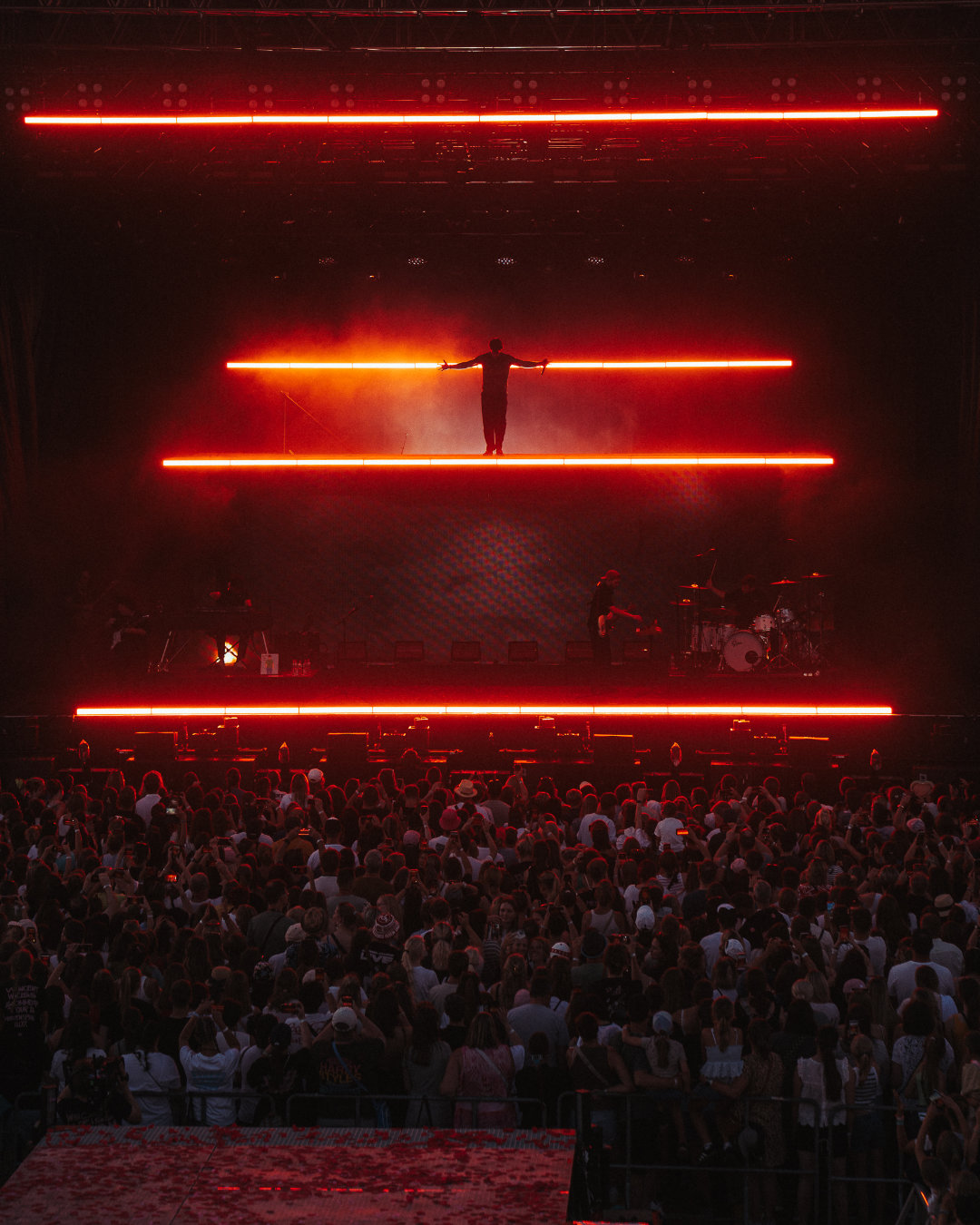
Working with lighting and stage designer Tom Groß, we developed the visual language around a deliberately minimal stage design. Tom’s arrangement of the LED surfaces, including the wide screen configurations and four stage-wide horizontal LED lines, gave the stage a strong visual structure from the outset.
Those elements created a sense of perspective and movement even before any content was introduced. Together, we explored how the architecture could be animated through video and lighting, allowing the stage to shift between graphic compositions, spatial illusions and more expansive visual environments.
The minimalism of the design gave us room to develop a much broader visual language over the course of the show.
I wanted the visual language to grow out of this architecture, the music and Wincent’s performance rather than treating each song as a separate visual exercise.
We started by looking at the setlist as a whole. Where does the energy build? Where does the show need space? Which moments should feel intimate, and where can we push the stage into something much bigger?
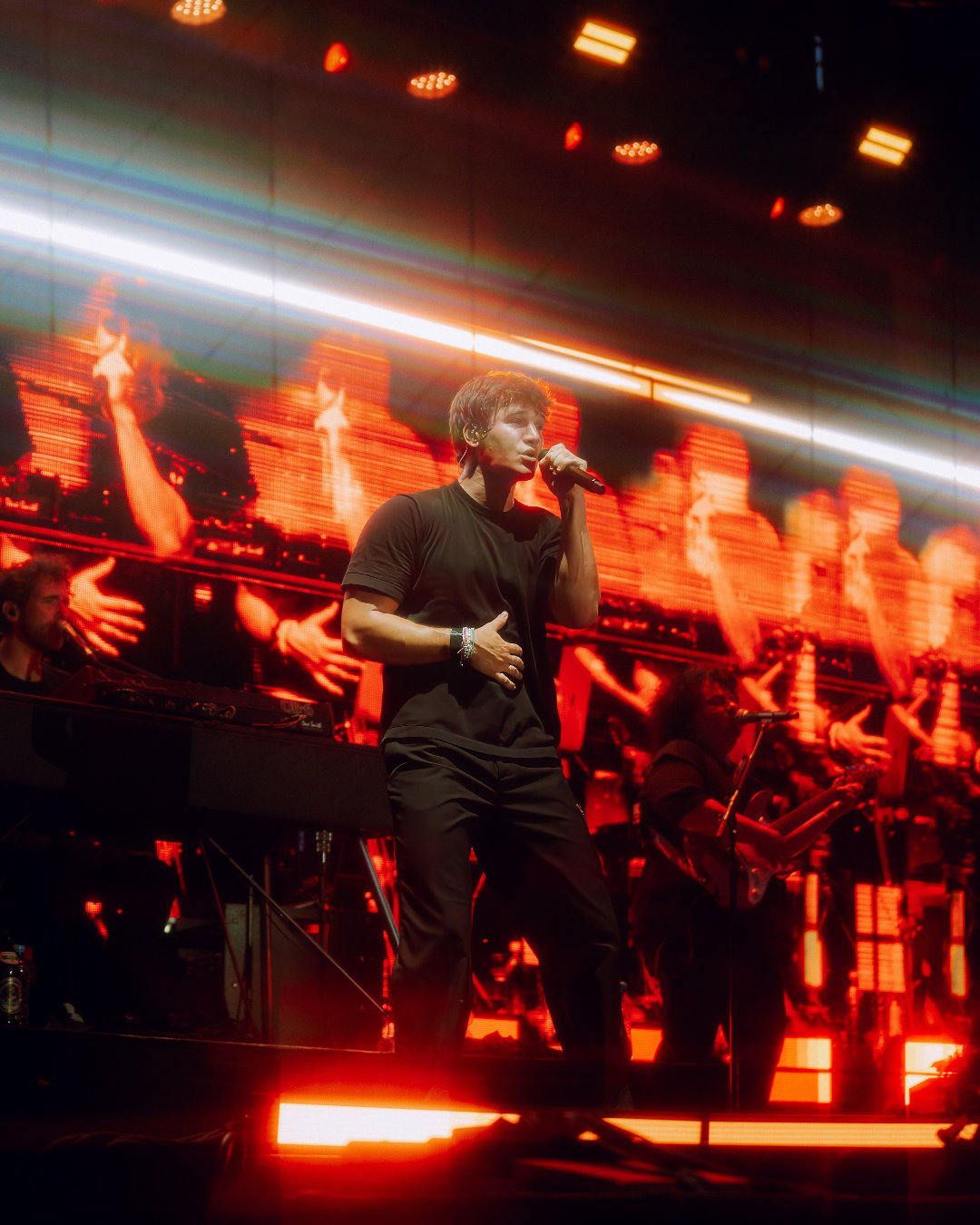
HELL and DUNKEL provided a useful structure, but the distinction was about more than brightness or colour. It was about how the stage behaved. The first half was more open, with individual visual elements and a greater sense of space. As the evening progressed, the stage gradually became more concentrated, culminating in the full LED wall, live imagery and large-scale effects.
I was particularly interested in how the show accumulated energy over time. Not every song needed the same visual intensity, and some of the most important decisions were about when to pull things back. We developed the setlist as a sequence of changing states, allowing the stage to open up, become quieter or build towards larger moments. The transitions between those states became as important as the individual songs themselves.
The challenge was to make that development feel natural to Wincent and his music.
The transition between HELL and DUNKEL became a performance sequence in its own right. While Wincent moved into the audience for an extended B-stage set, the main stage transformed behind him. The individual LED towers were repositioned, the scenic environment changed, and the open architecture of the first half gradually became the continuous wall of the second. It allowed us to use the performance itself to bridge two very different stage configurations.
Before we started developing individual content pieces, I established a set of creative principles for the show.
We called them the Five North Stars. They were intended as a common reference for everyone working on the production, particularly across lighting, video, staging and special effects.
One of the most important principles was that Wincent should remain the driving force behind what happened on stage.
That influenced everything from the timing of visual transitions to how we used fire, lighting changes and live camera imagery. We wanted the stage to respond to his performance, with visual moments building from what he was doing rather than simply happening around him.
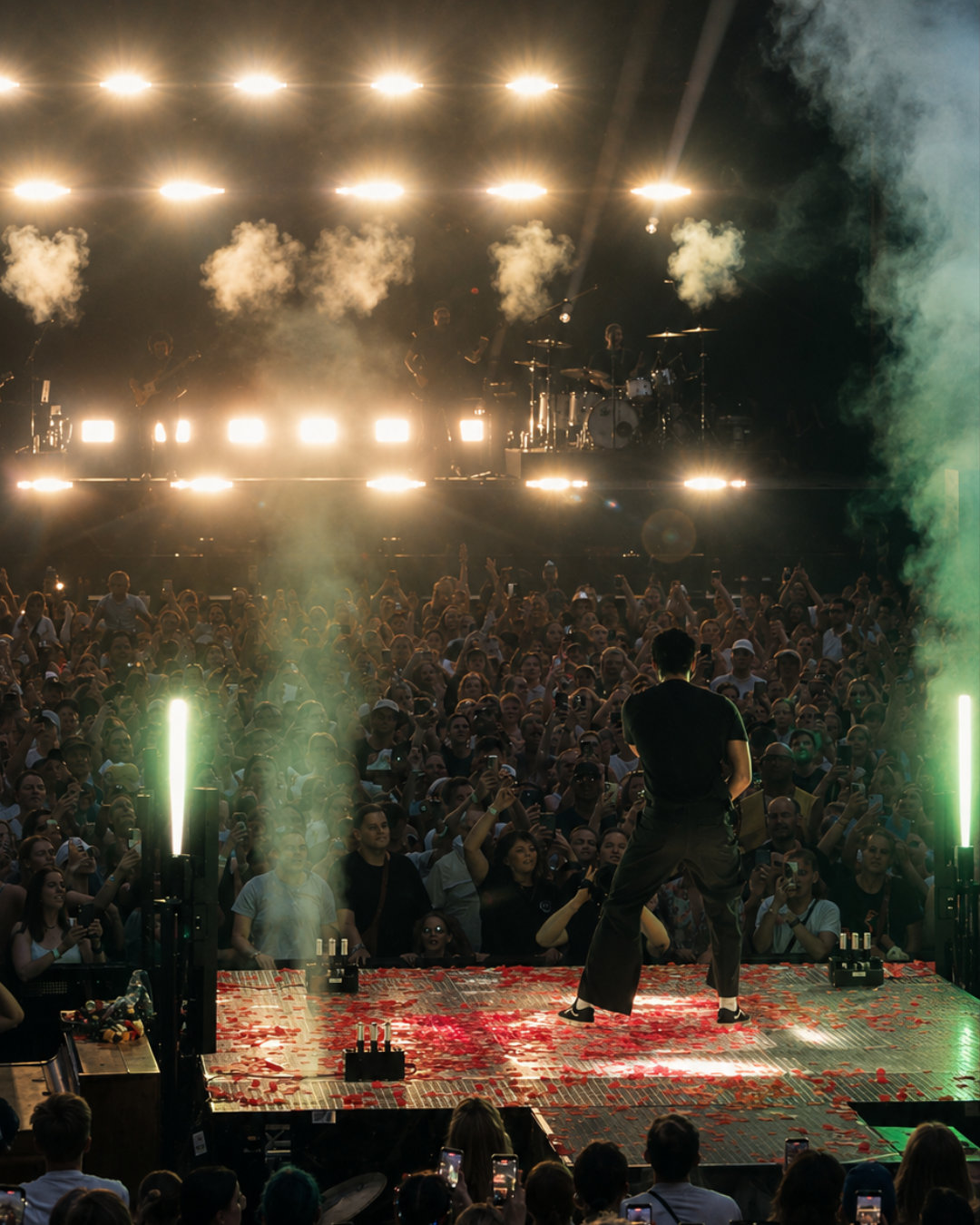
Wincent’s relationship with the audience was just as important as his relationship with the stage. We worked with different performance positions, from the main stage and its elevated structures to the front of the audience and the B-stage. Each location changed the scale of the performance and the way the audience experienced him. The challenge was to make those shifts feel connected, while giving Wincent the freedom to move between intimate moments and the show’s larger visual sequences.
The overall dramaturgy followed a progression from what we called Luminous Maximalism towards Radiant Momentum: beginning with a more expansive, character-driven world and gradually concentrating the show’s energy into increasingly powerful moments.
These principles became the basis for developing the content and directing the show through rehearsals.
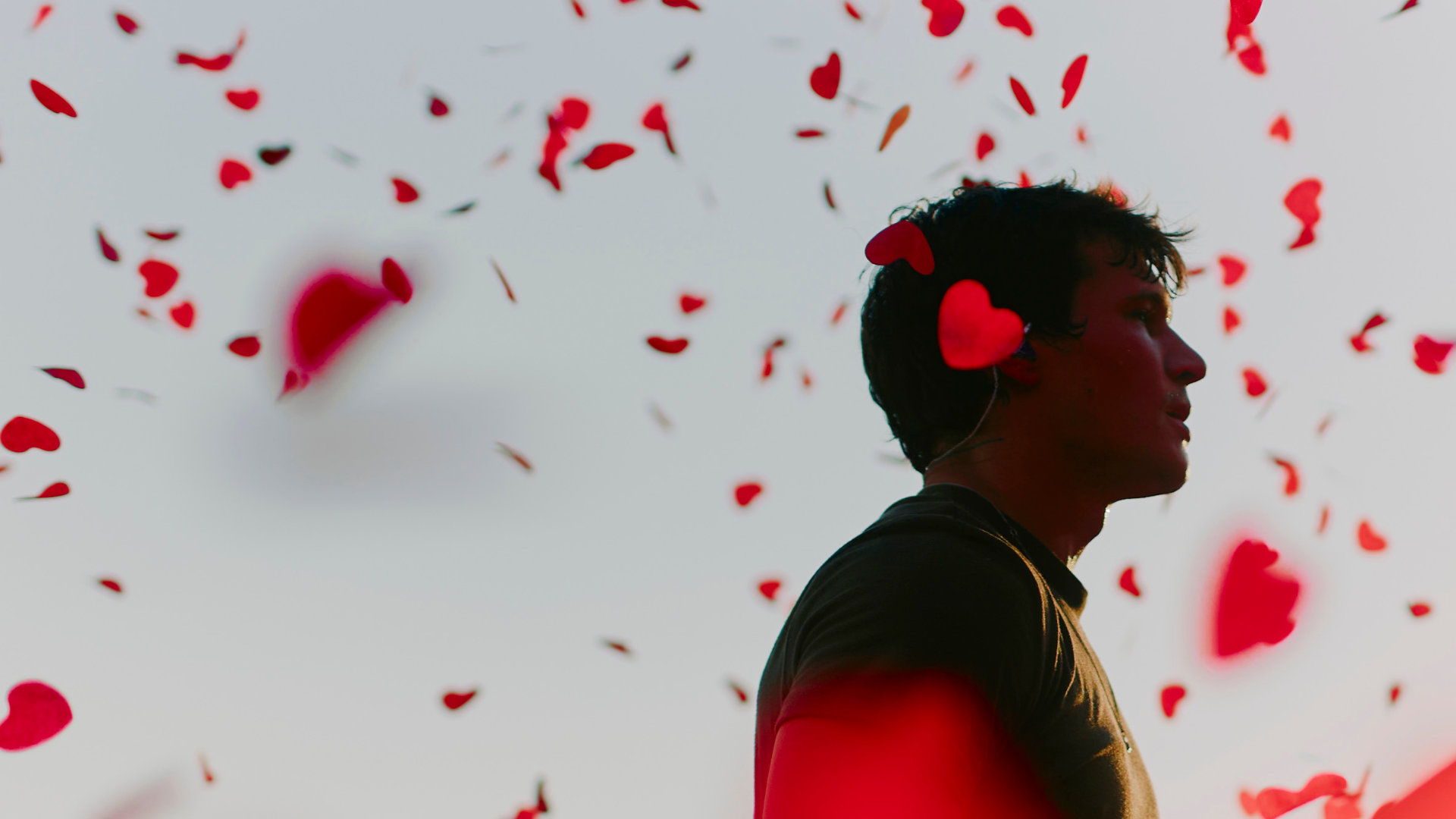
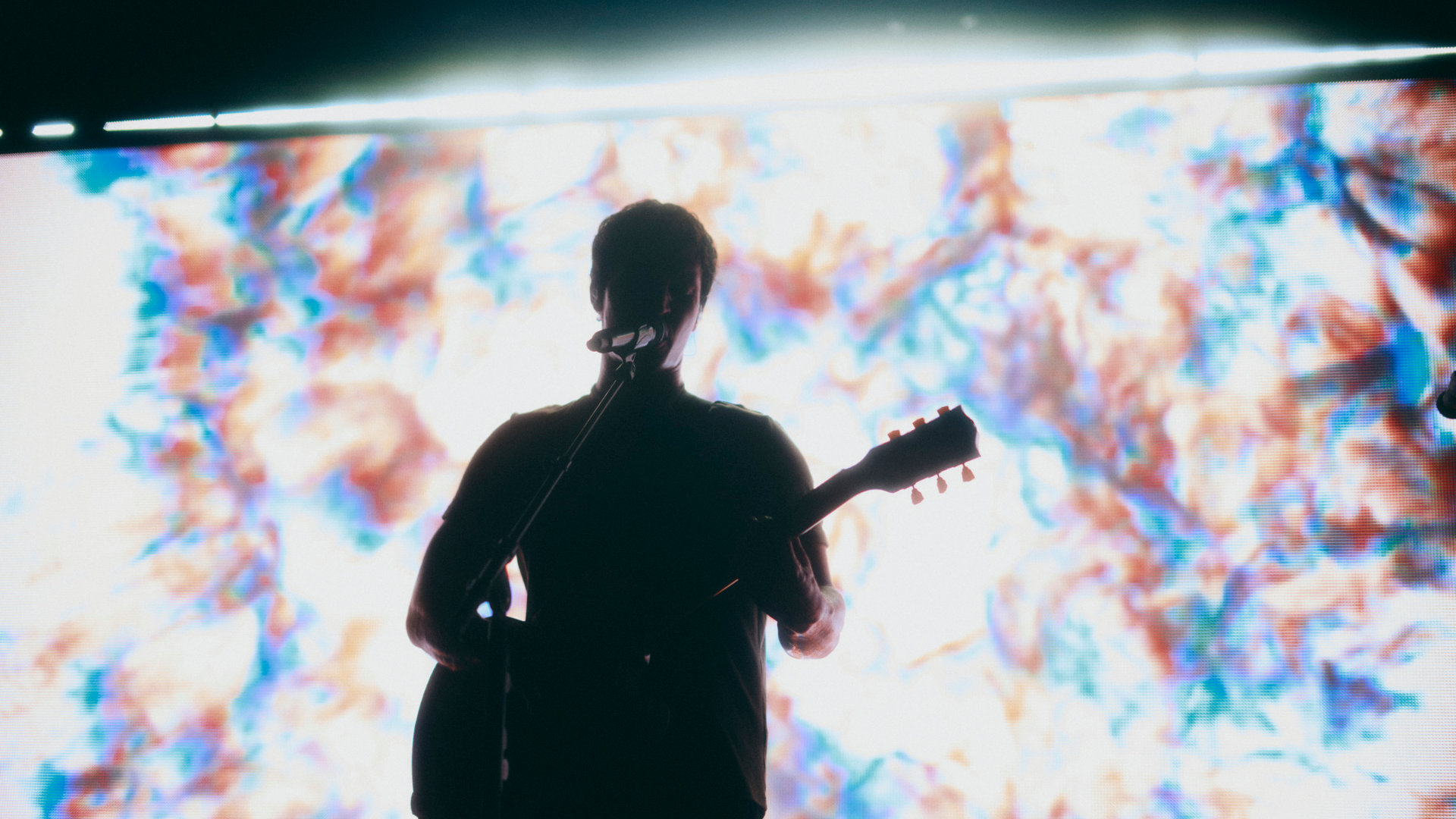
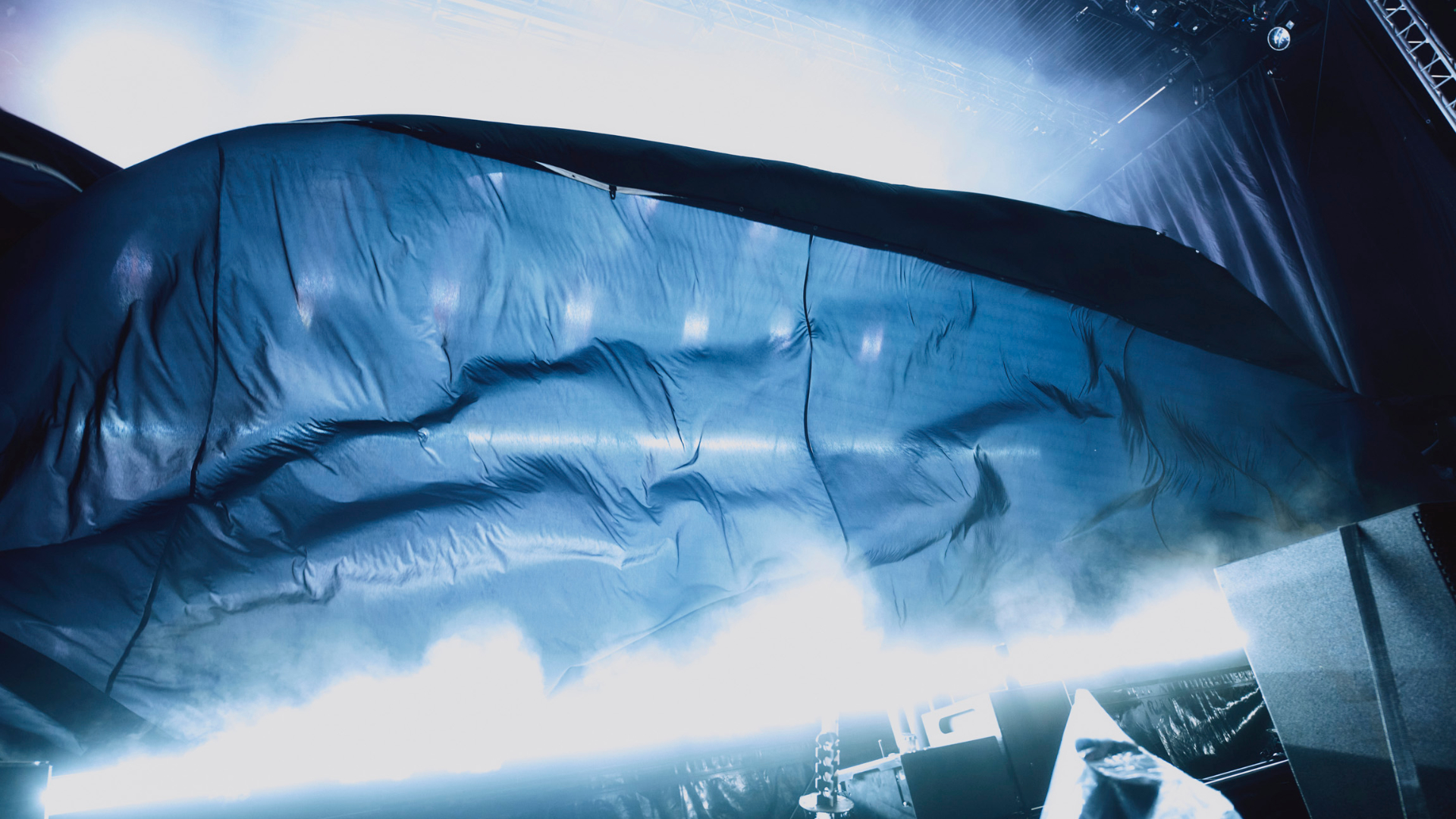
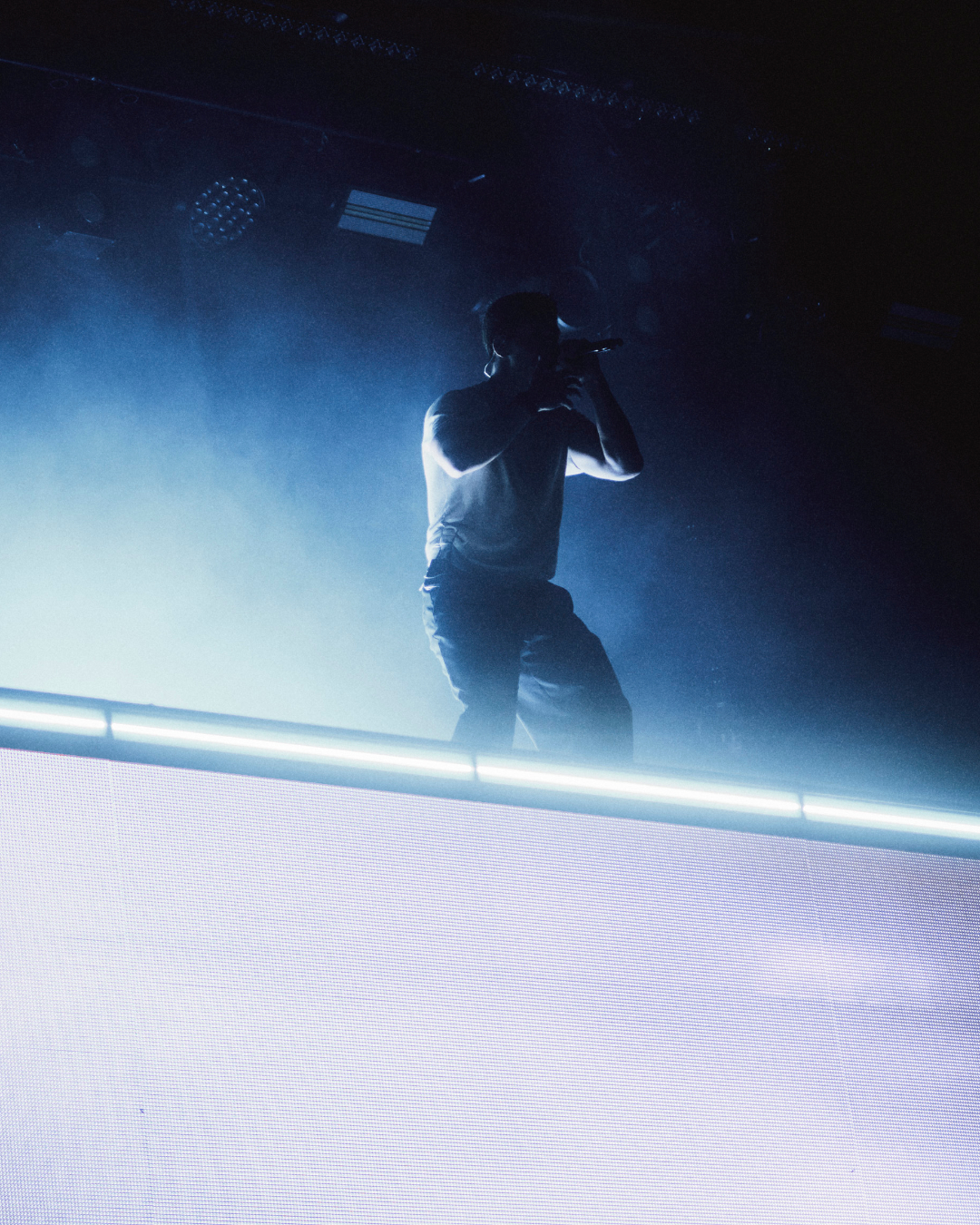
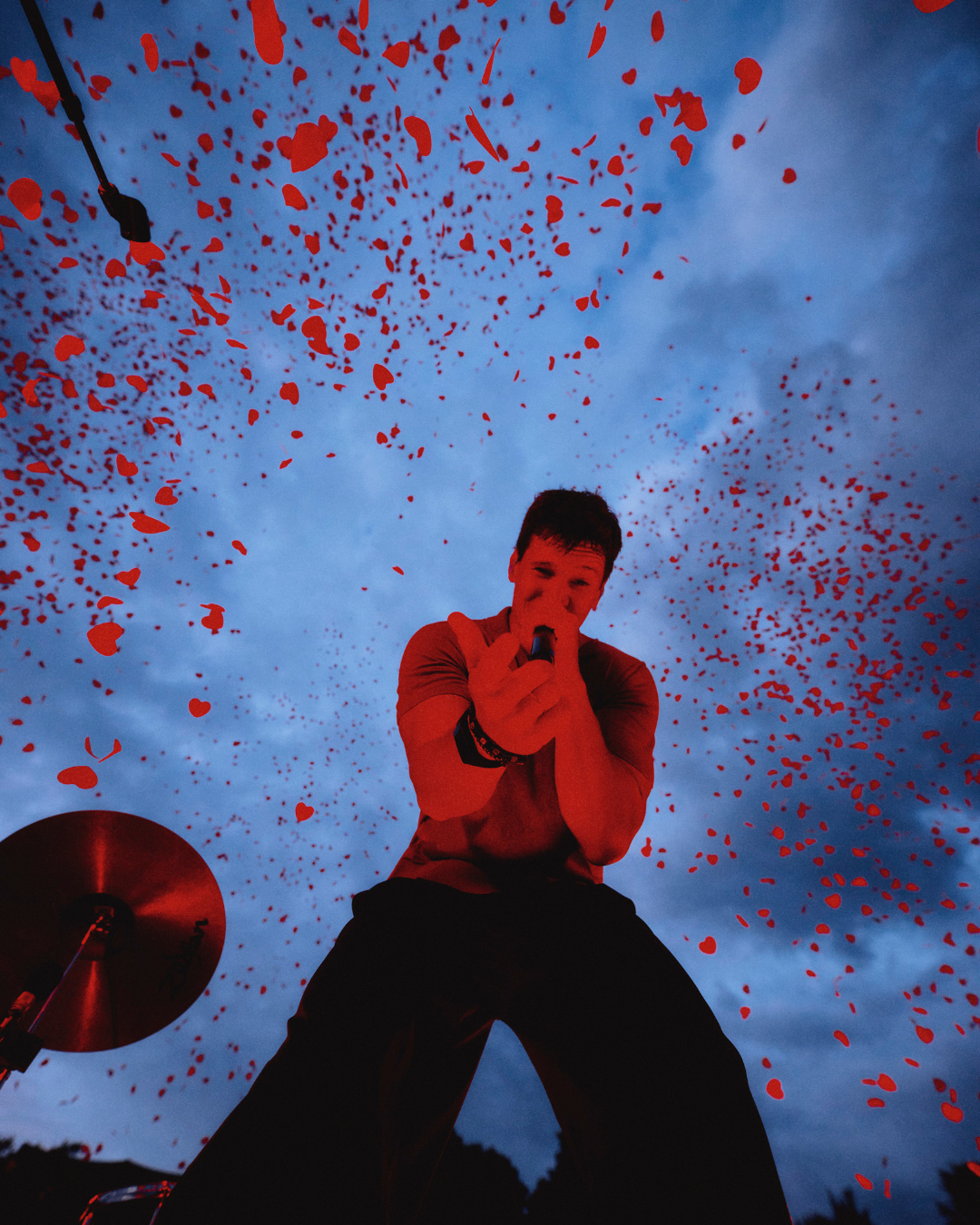
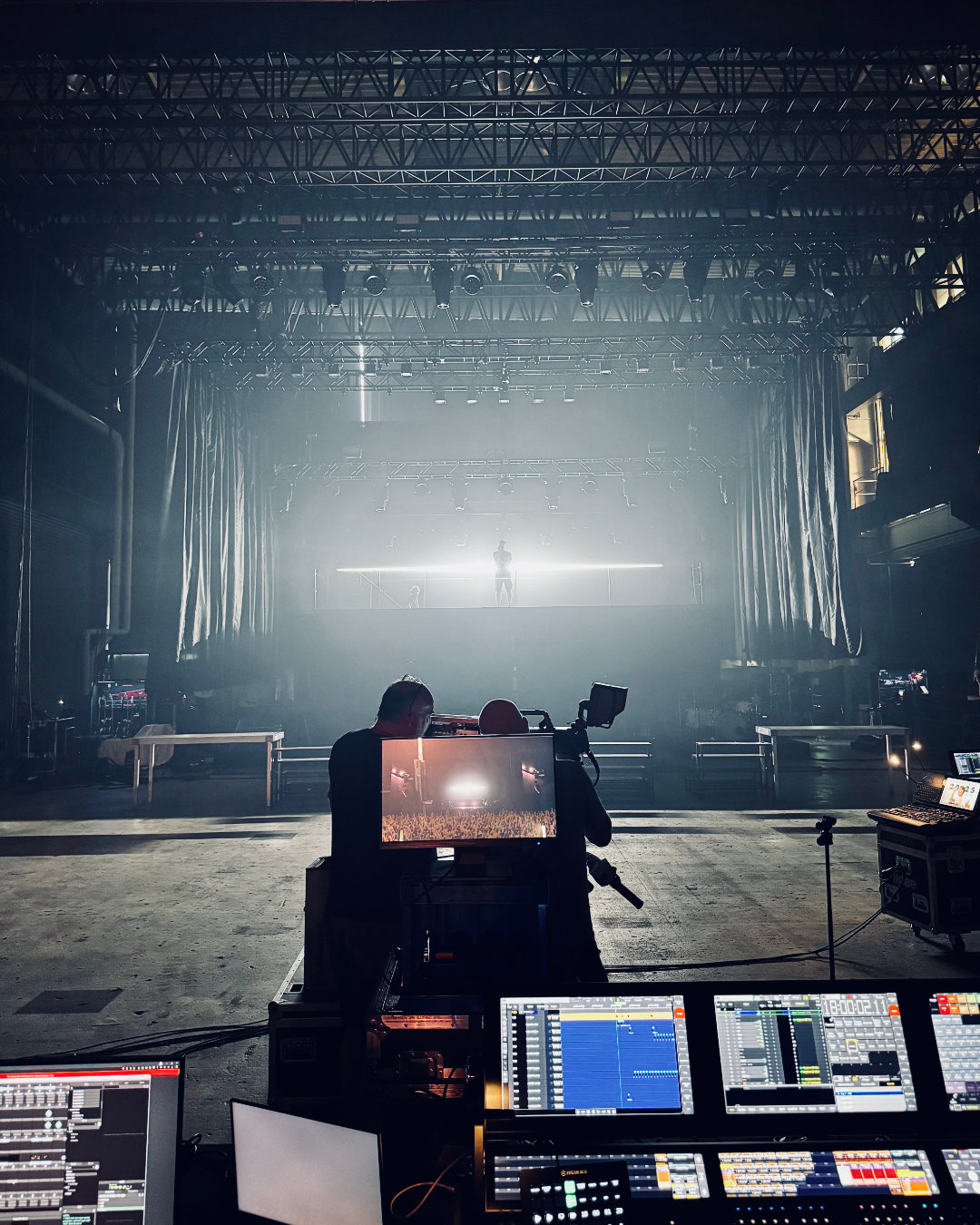
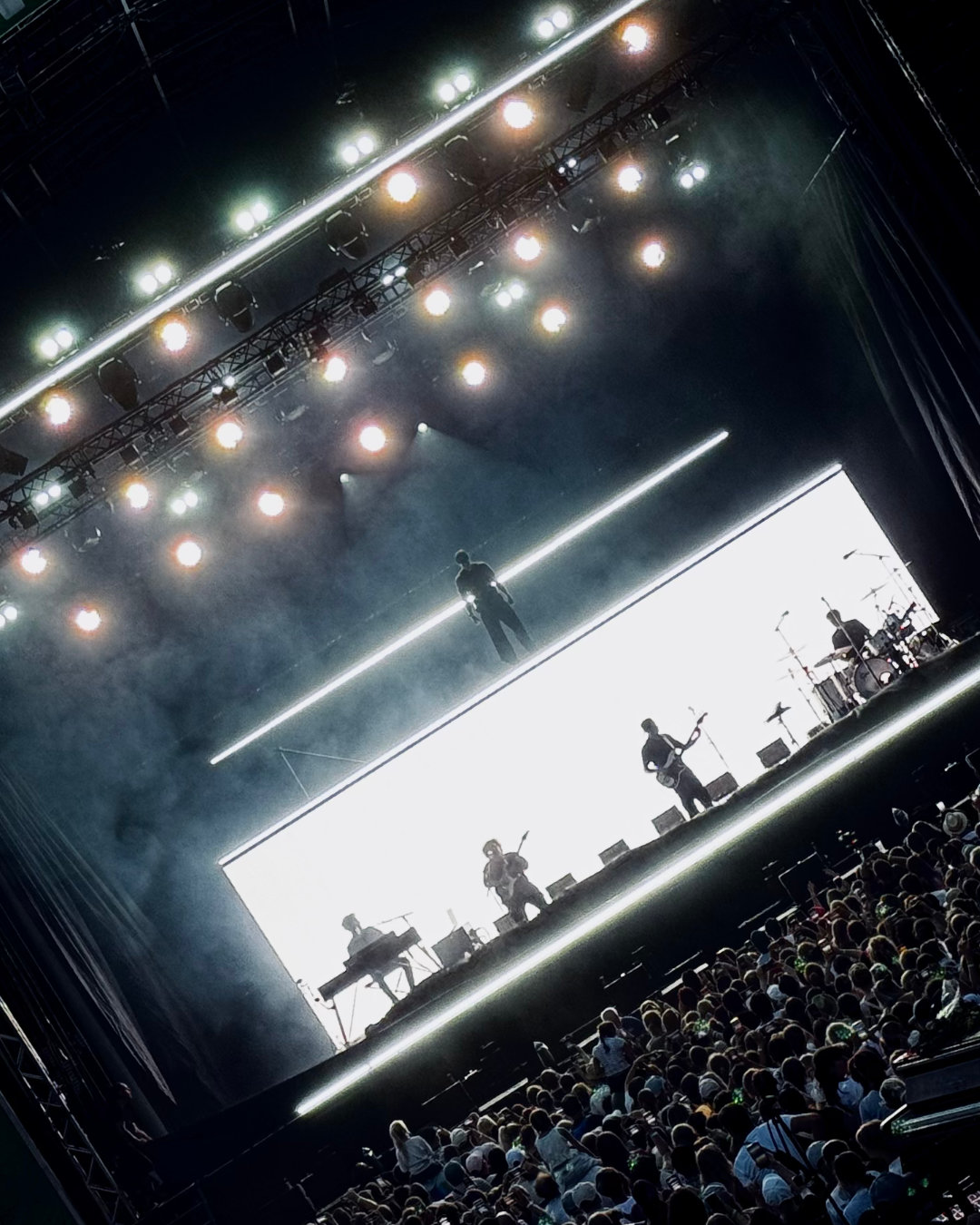
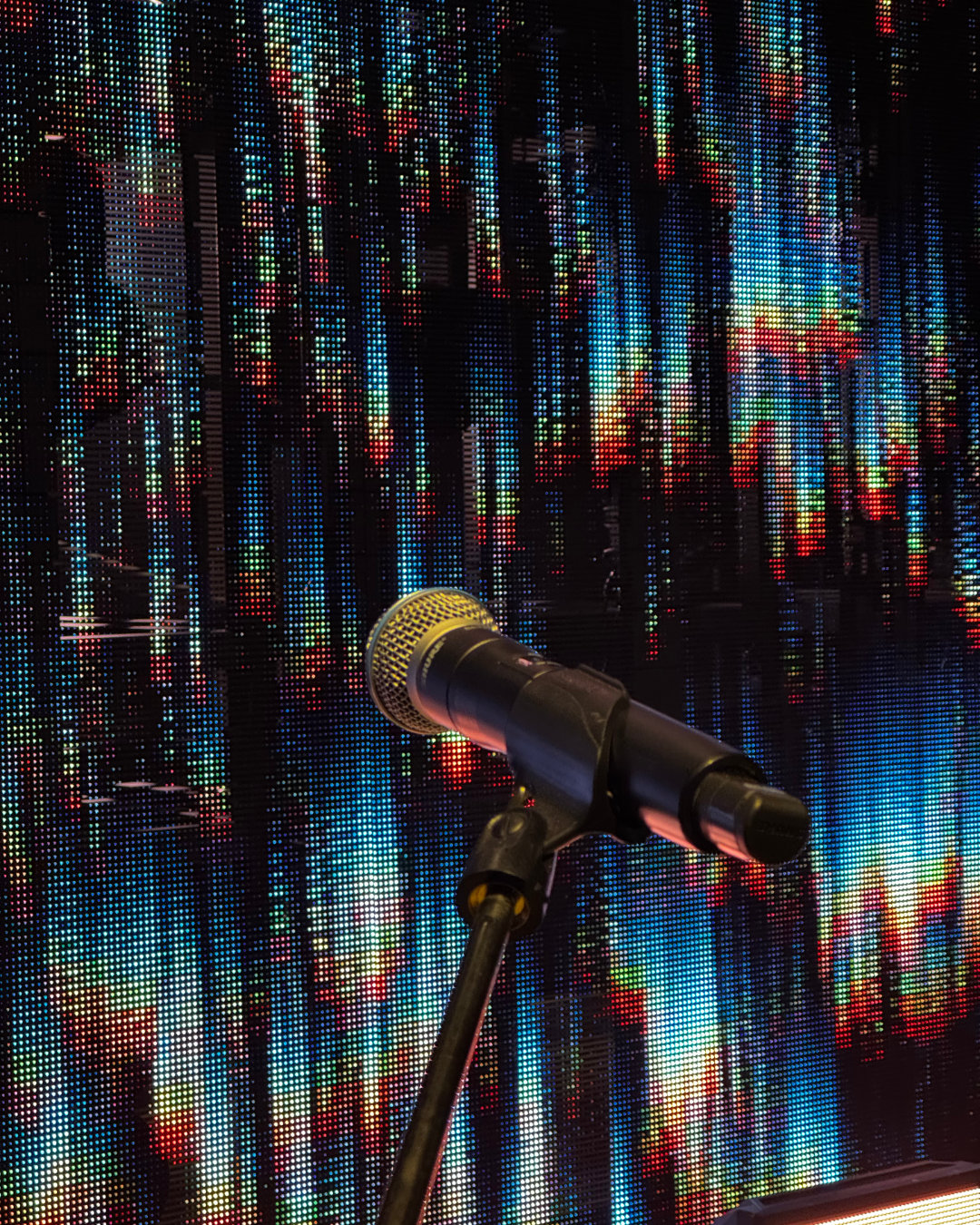
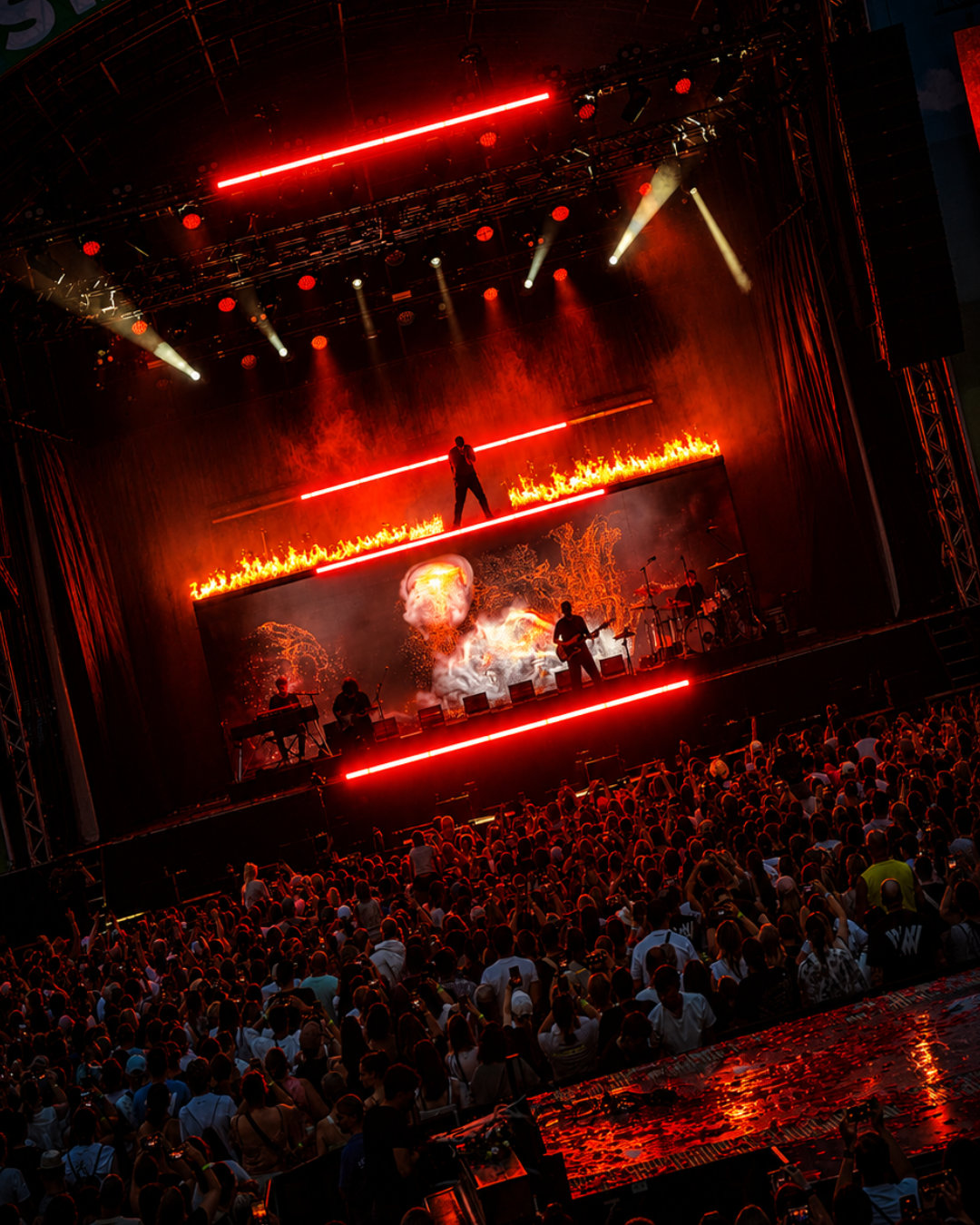
One of the defining conditions of the summer tour was that the show began in broad daylight. For much of the first act, we couldn’t rely on darkness to give the stage contrast or make the screens appear brighter than their surroundings.
We approached this by drawing on the visual language of contemporary big-room and techno productions: bold colour fields, high exposure, strong contrasts and images that could work at scale. I was interested in bringing some of that energy into a pop show, while giving it a dramaturgical structure that followed Wincent’s music.
Rather than treating daylight as something to work around, we made it part of the show’s development. The visual language would change as the evening progressed, gradually moving from open, bright compositions towards more concentrated imagery, deeper contrasts and greater intensity after dark.
Wincent brings an enormous amount of physical energy to the stage, and I wanted the visual world to respond to that.
For the first act, we developed a language of colour blocking, gradients, exposure shifts and textures drawn from natural materials, including stone and water. White became an important starting point: a colour that could expand into energy fields, break into prismatic effects or dissolve into fragments.
Working with video artists Balkan Karışman and Antonia Melzer, we explored how these images could follow the music through changes in scale, rhythm and intensity. Scanner strobes and shifting colour states gave the visuals a more immediate, performance-driven quality.
The stage itself added another dimension. A physical lenticular surface across the front-facing LED panels created optical depth and allowed Tom Groß’s lighting design to interact with the screens in different ways.
The second half of the show brought a different visual approach.
As the LED towers came together into a continuous wall, we could work with larger images and more immersive environments. Anamorphic spaces and nature-inspired forms gradually gave way to generative content, particularly in the more energetic parts of the set.
The content approach also reflected the scale of the production. Rather than developing a large number of individually designed visual environments, we built much of the show’s language around generative systems that could be adapted across different songs. This allowed us to work with a broad range of visual states while concentrating bespoke development on selected moments. It was a deliberate creative and production decision that suited both the music and the resources available.
Together with the video team, we developed a parameterised visual system in TouchDesigner. It allowed us to explore variations in saturation, displacement and movement, with visual changes designed around musical accents, C-parts and EDM breakdowns. The resulting looks were rendered into video and assembled for playback in Resolume.
Liquid-glass textures, 3D simulations and more abstract natural forms became part of the visual language. Once darkness fell, the LED wall and its transparent surfaces could finally operate at their full potential. Bespoke Notch looks added another layer to the final part of the show.
One of the ideas running through the production was the relationship between digital imagery and physical effects.
I wanted the energy created on screen to continue into the actual stage space. A visual build could be picked up by the lighting, extended through atmospheric effects or released through fire. At other moments, the physical stage provided the starting point for what happened on screen.
This became particularly important in the second half, where the more abstract and generative content could connect directly with the show’s physical spectacle.
The aim was to develop these elements together, so that a musical moment could move naturally between video, lighting and physical effects, with Wincent’s performance determining the timing and focus.
Clouds, water and atmospheric effects became recurring elements throughout the show.
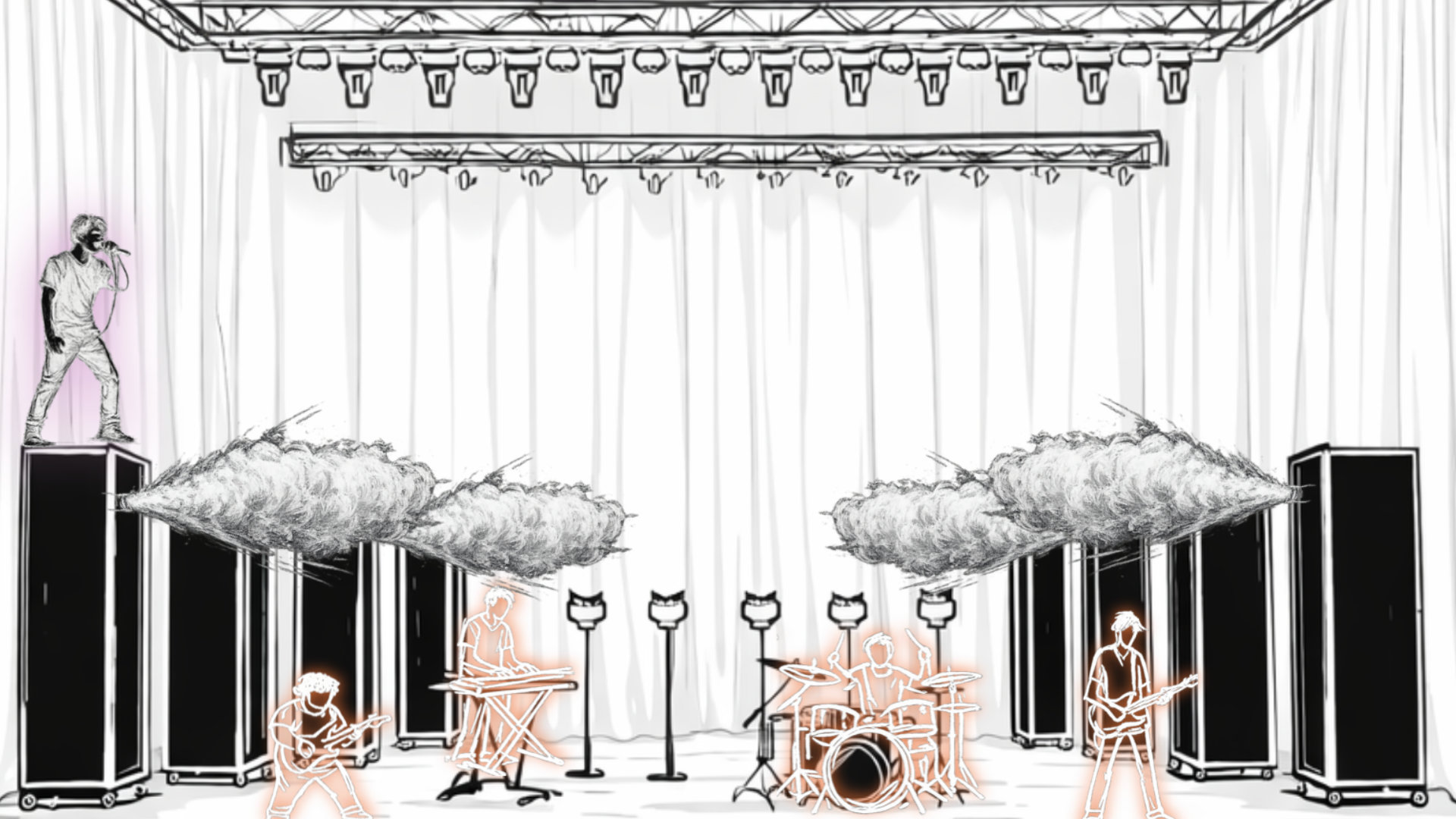
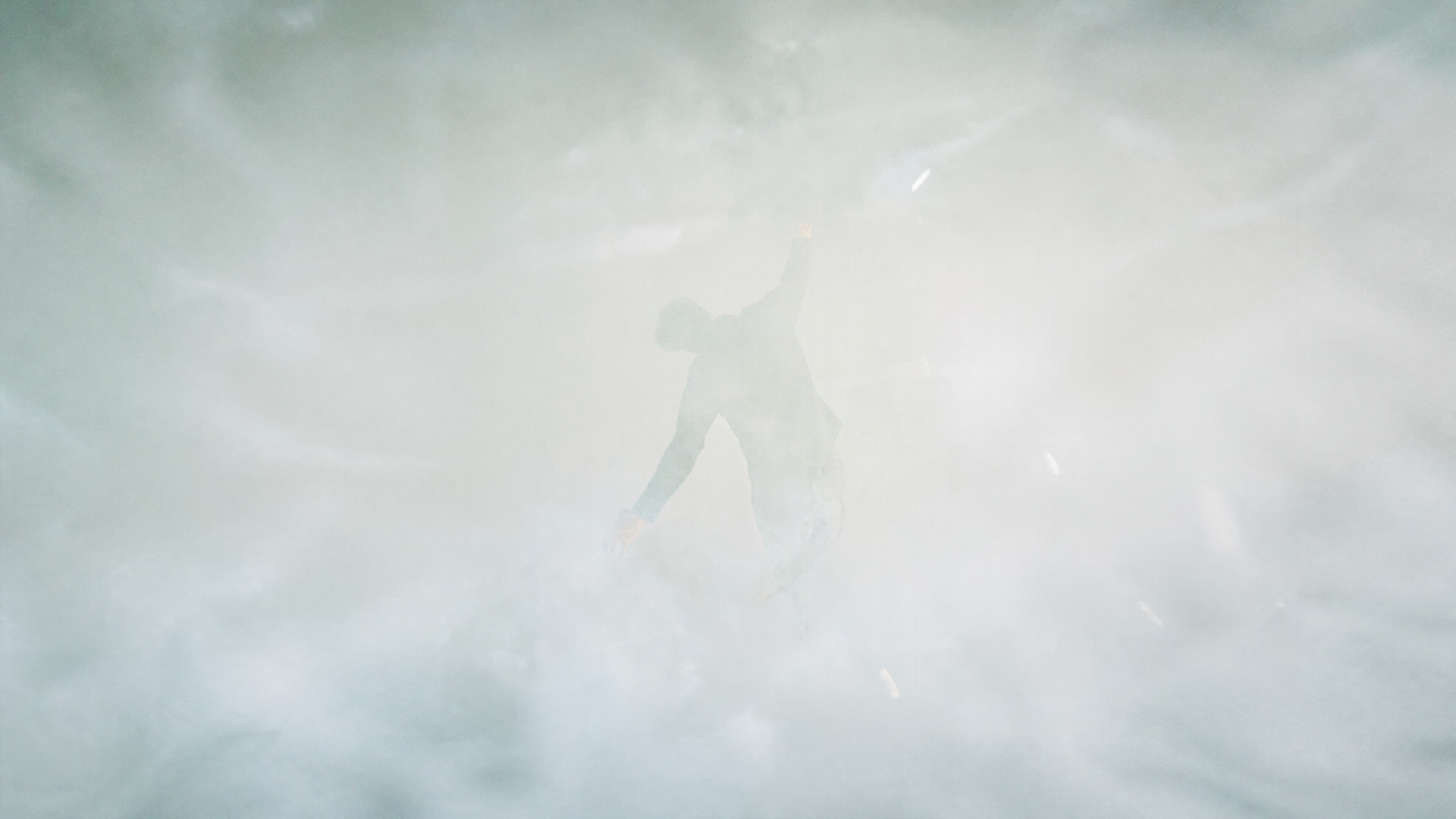
In the first act, horizontal eCO₂ effects created a low, standing cloud across the stage, gathering around Wincent and changing the appearance of the performance space.
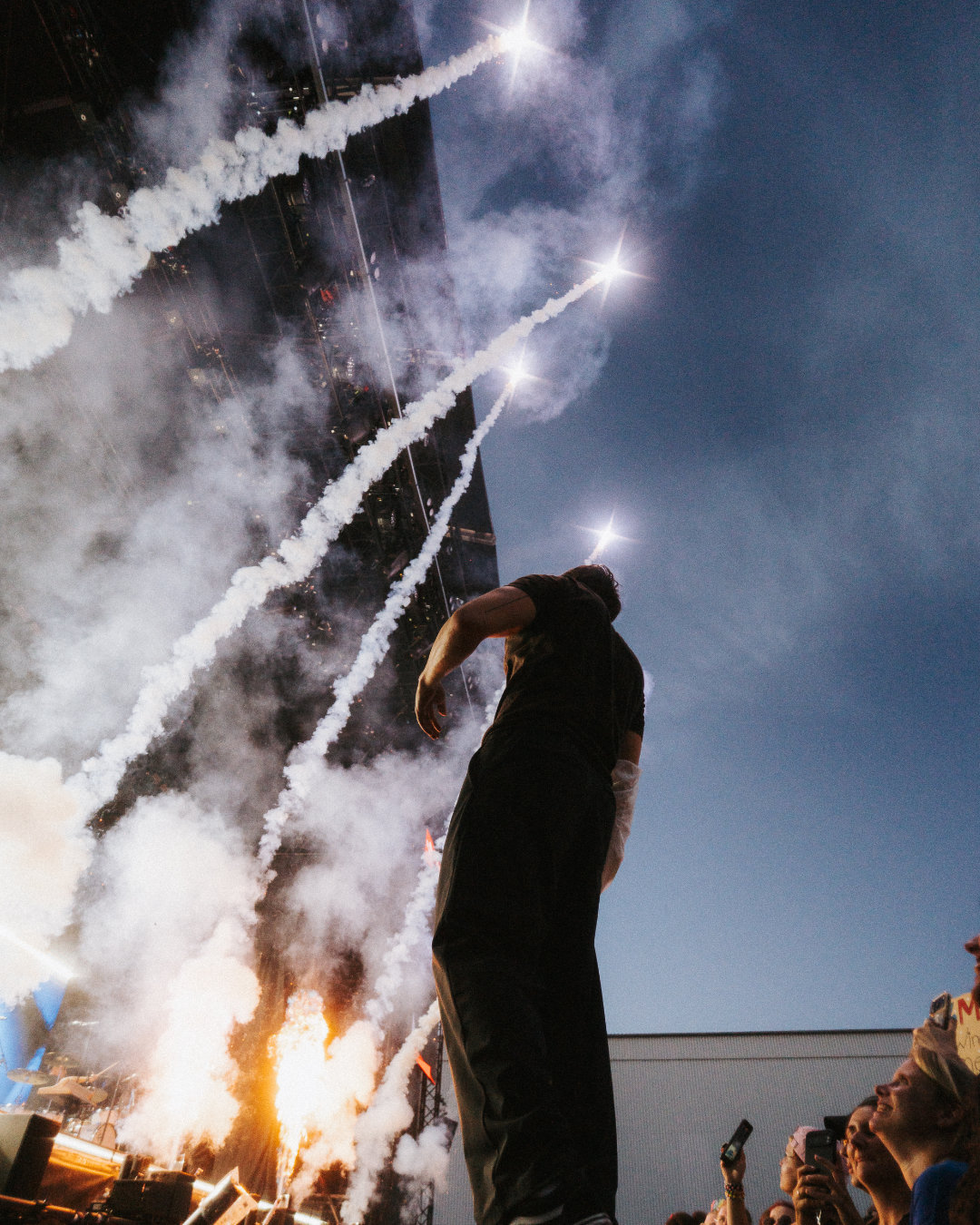
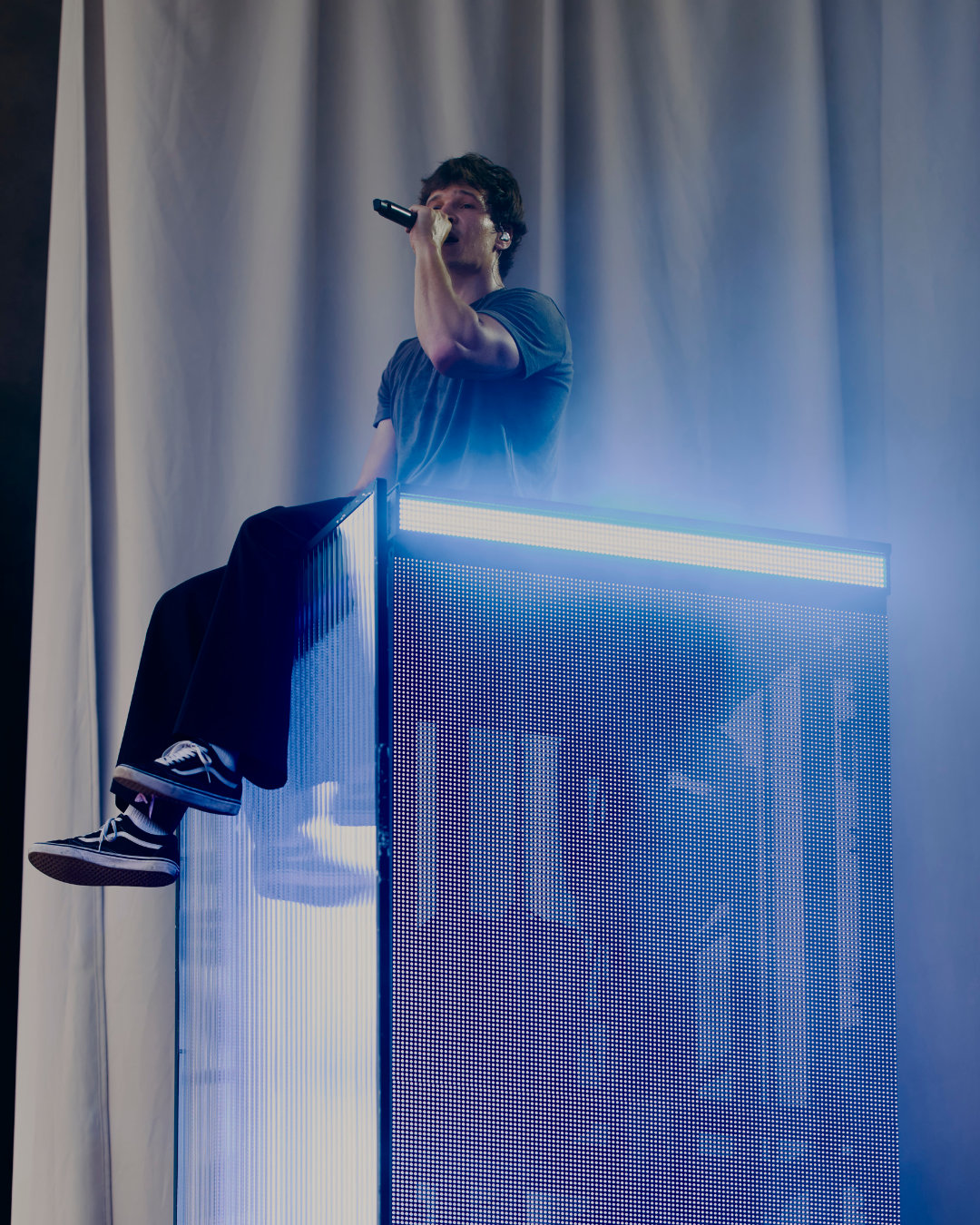
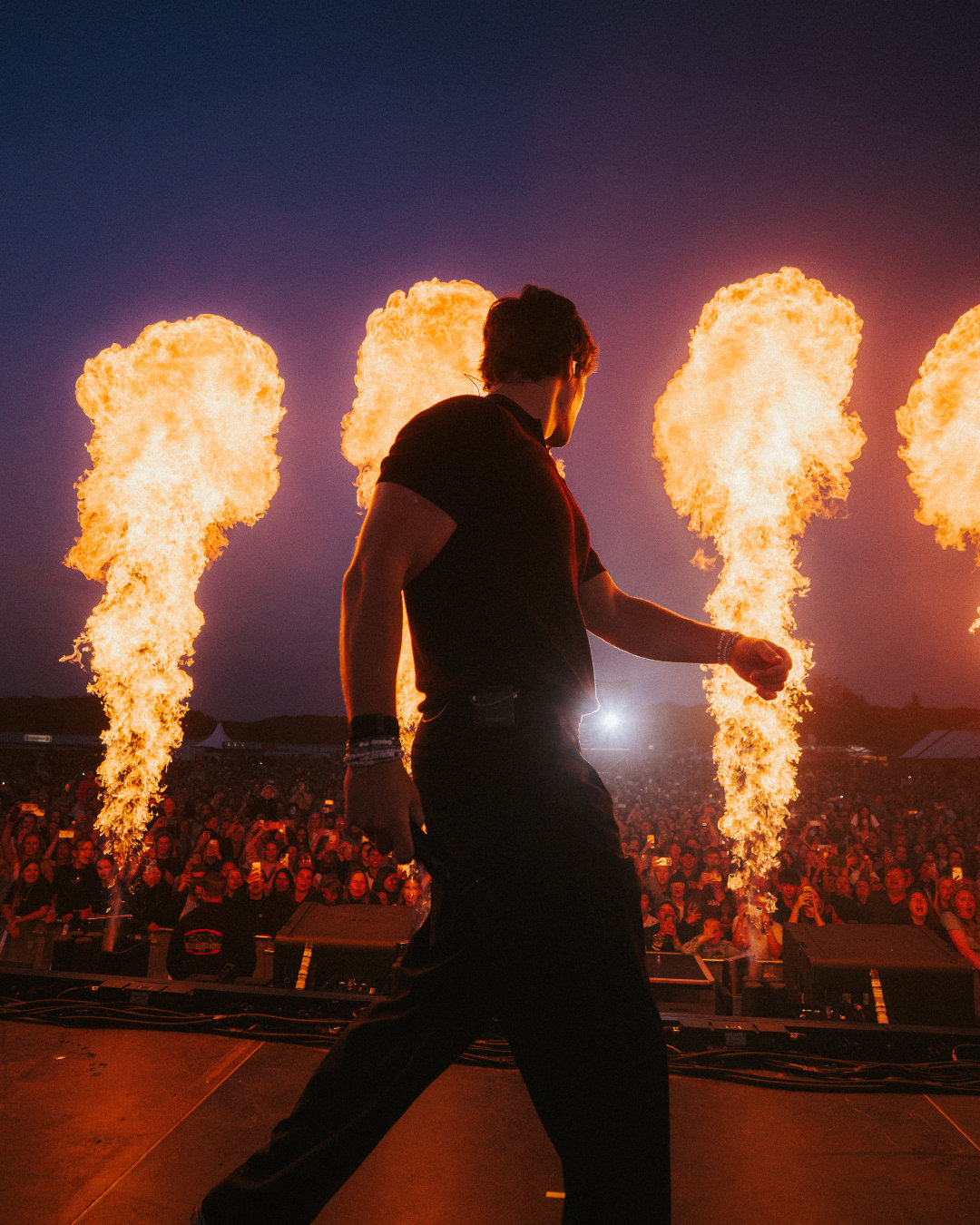
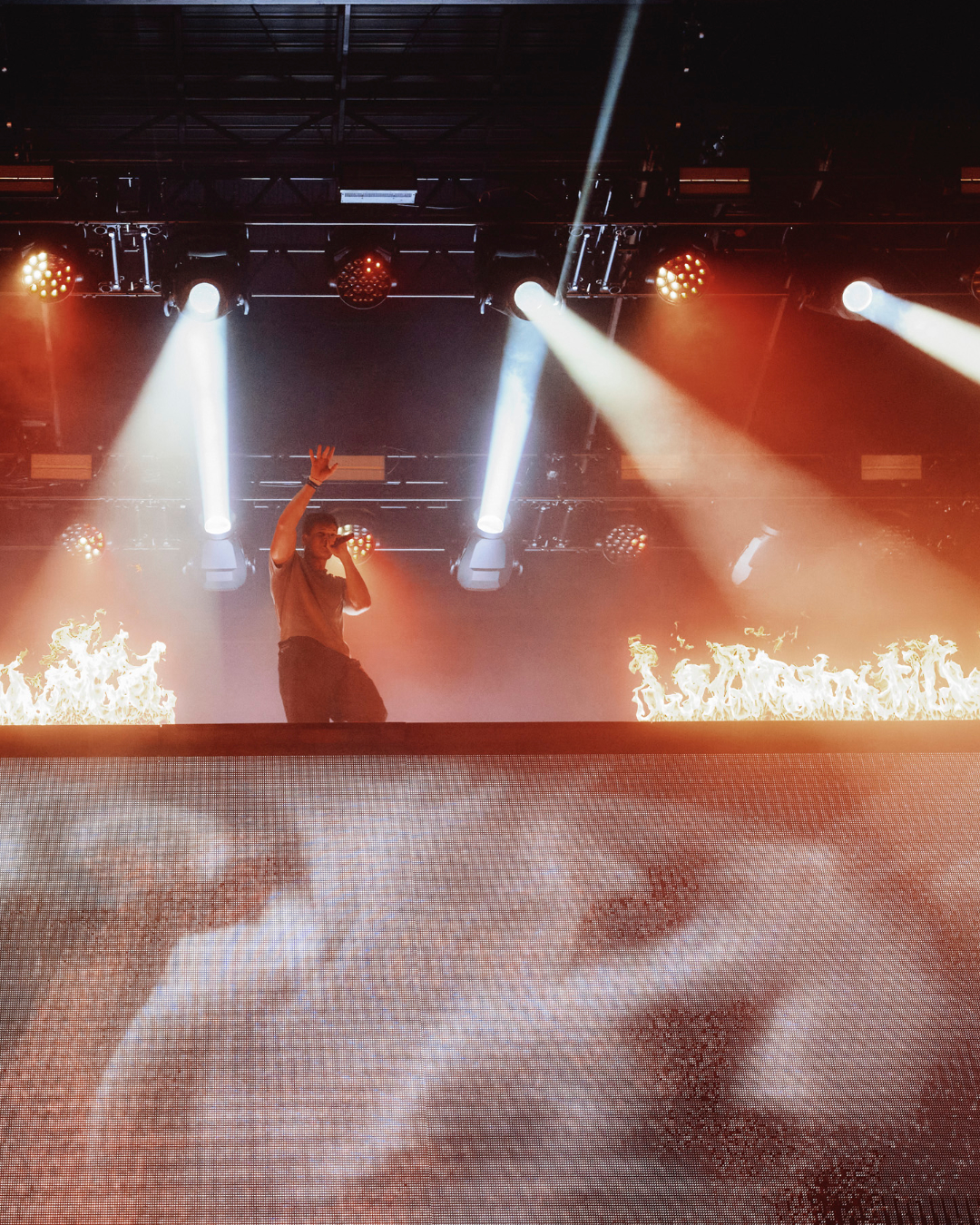
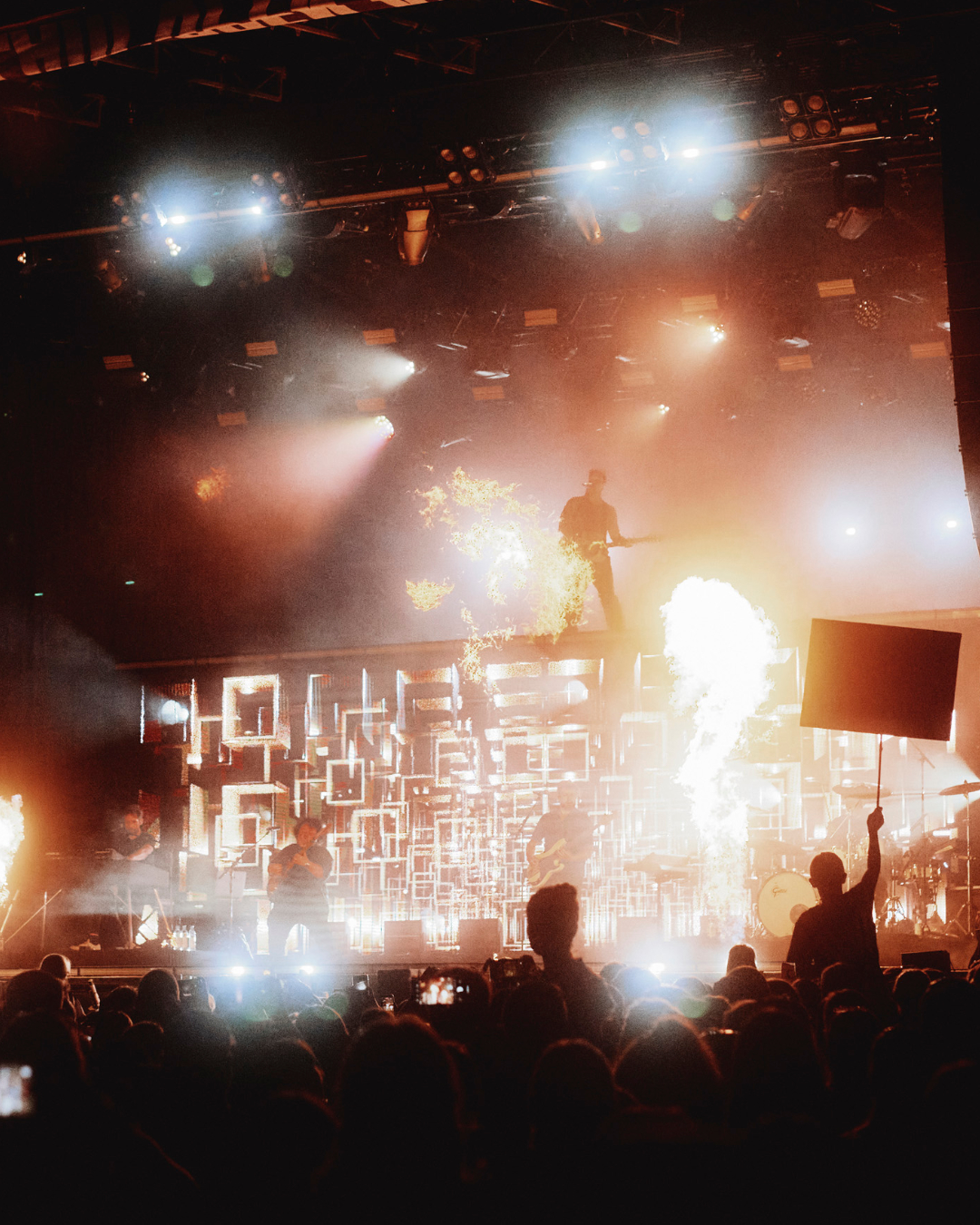
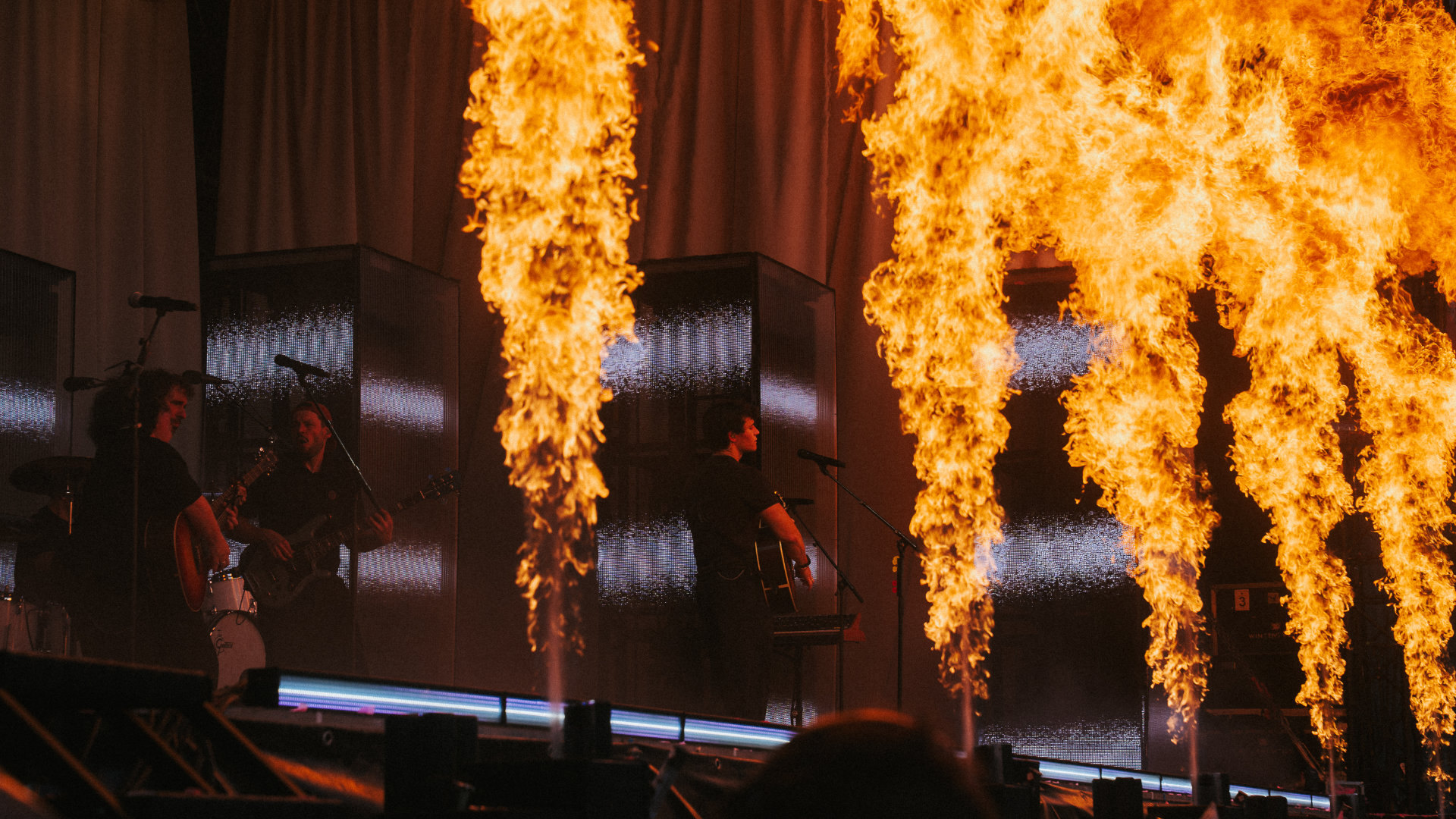
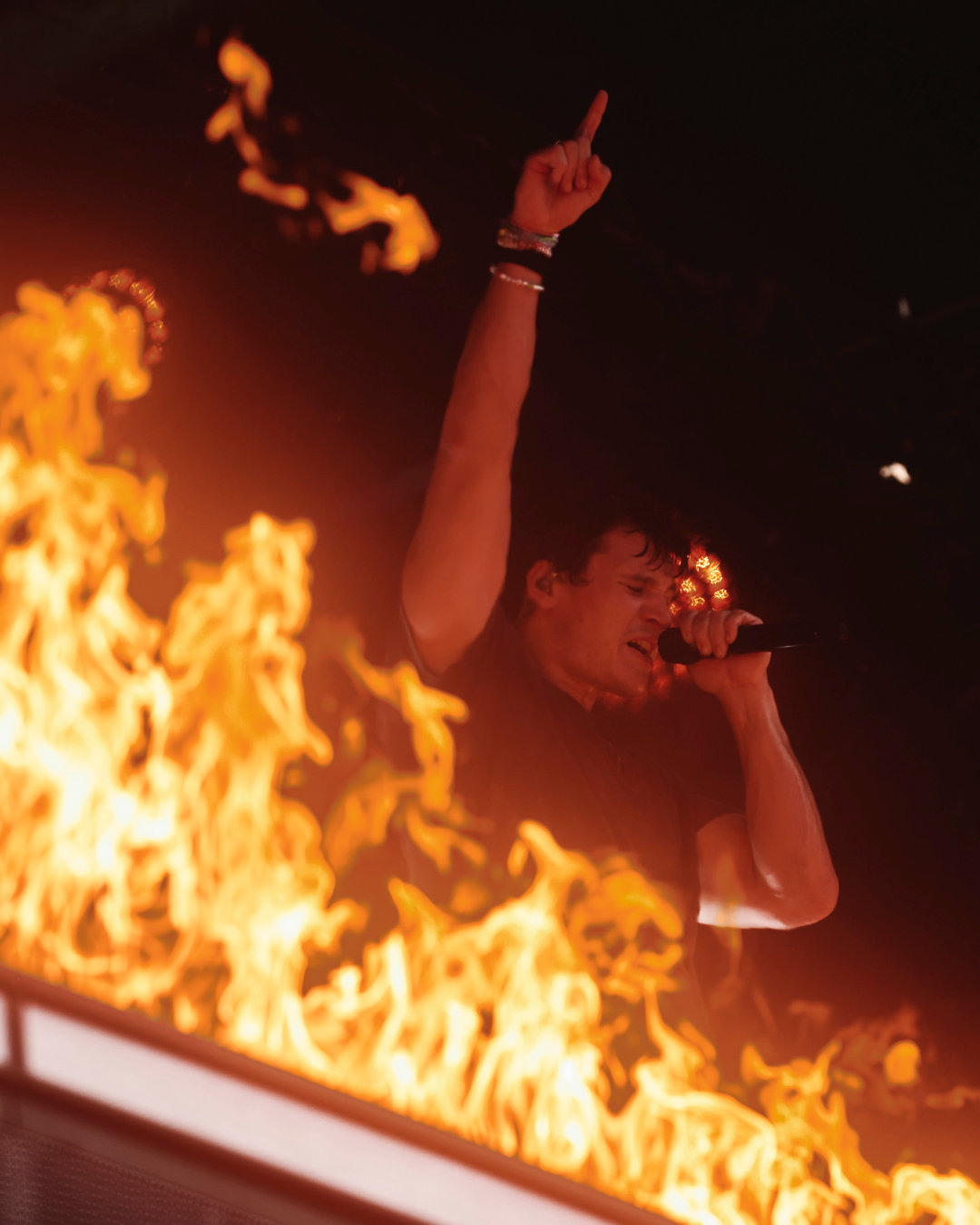
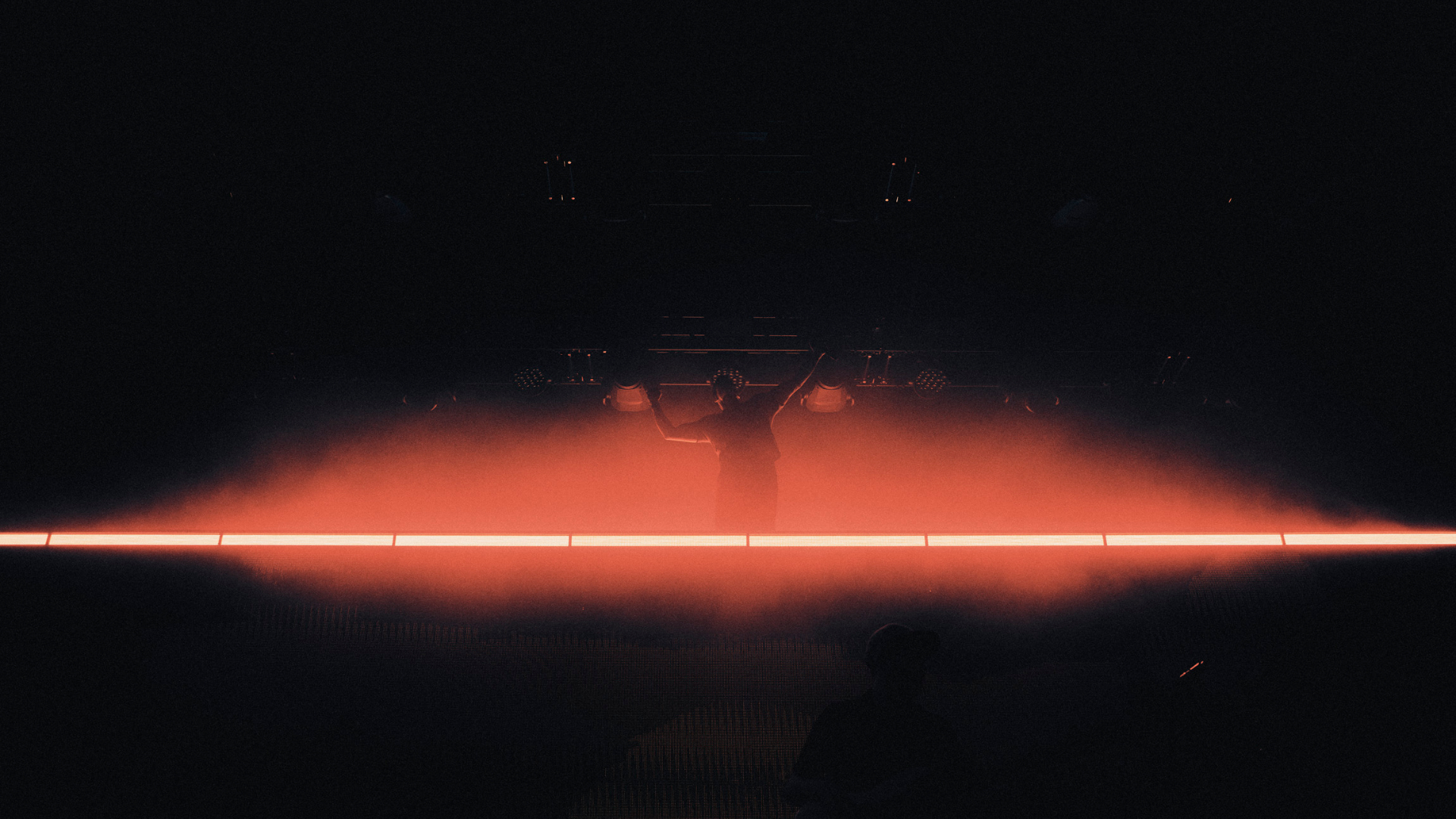
That image returned later in FLIEG, one of the show’s most elaborate sequences. This time, the cloud was combined with real fire, developed and executed by H4Stage, while Wincent performed from the top of the LED wall. The sequence brought together the visual content, lighting, atmospheric effects and staging in one continuous build.
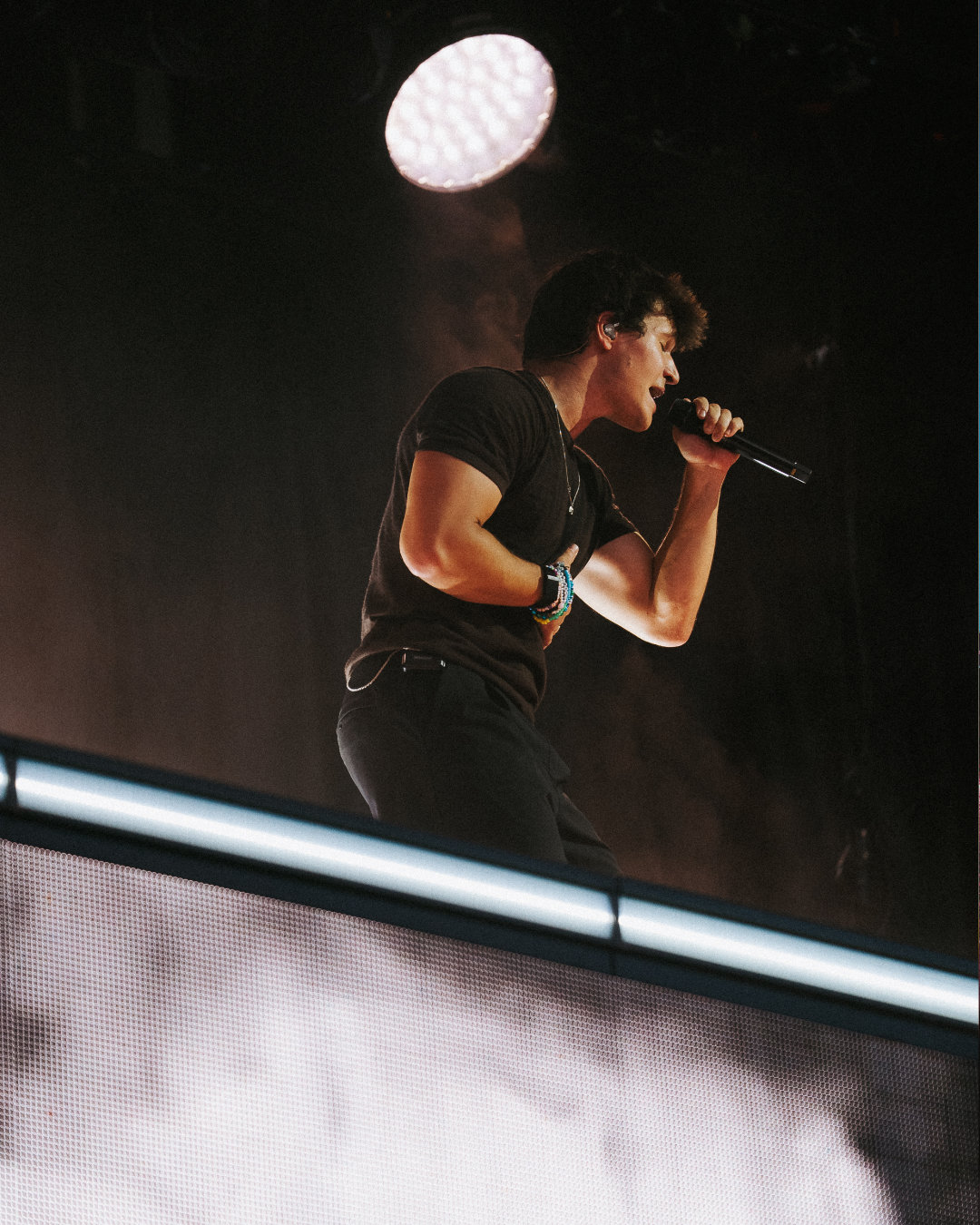
With Wincent elevated above the LED wall, the entire stage became part of the composition around him. The visual content and physical effects were developed to build towards that image, allowing the scale of the spectacle to grow while keeping his performance at its centre.
I liked the idea of allowing a familiar element to return in a different context. The cloud began as something atmospheric and eventually became part of a much more powerful stage image. It gave us a way to connect moments across the show without repeating the same visual treatment.
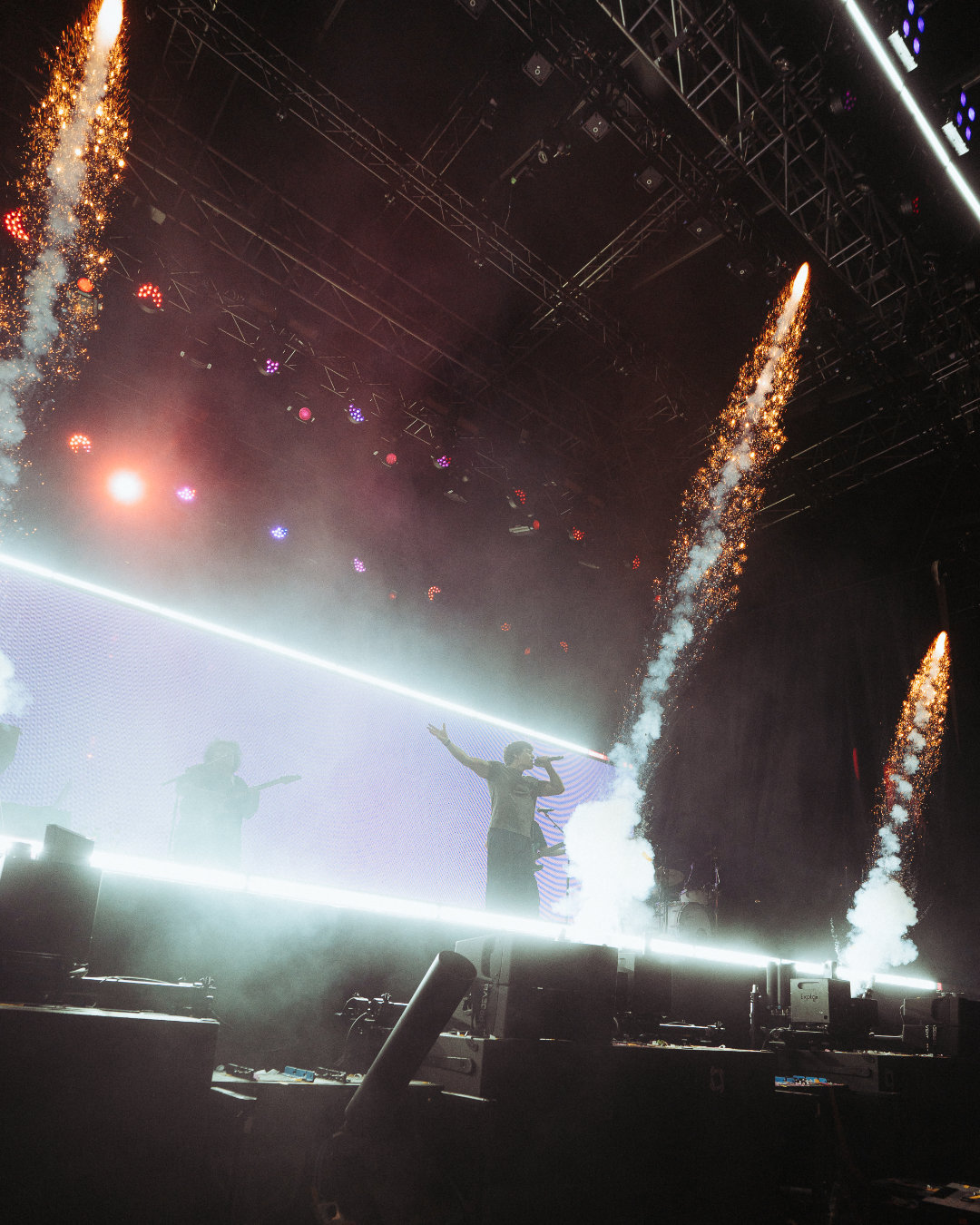
For Spring, we developed a new EDM breakdown that extended the show into the audience and onto the B-stage. Green comets rose approximately sixty metres into the sky, taking the visual energy beyond the stage itself.
The final aerial fireworks sequence followed a rapid-fire approach inspired by large American stadium productions. Working with H4Stage, we coordinated the fireworks with the stage lighting and screen colours, creating a tightly timed finale across the entire performance space.
Throughout the development, one of my priorities was keeping Wincent visible.
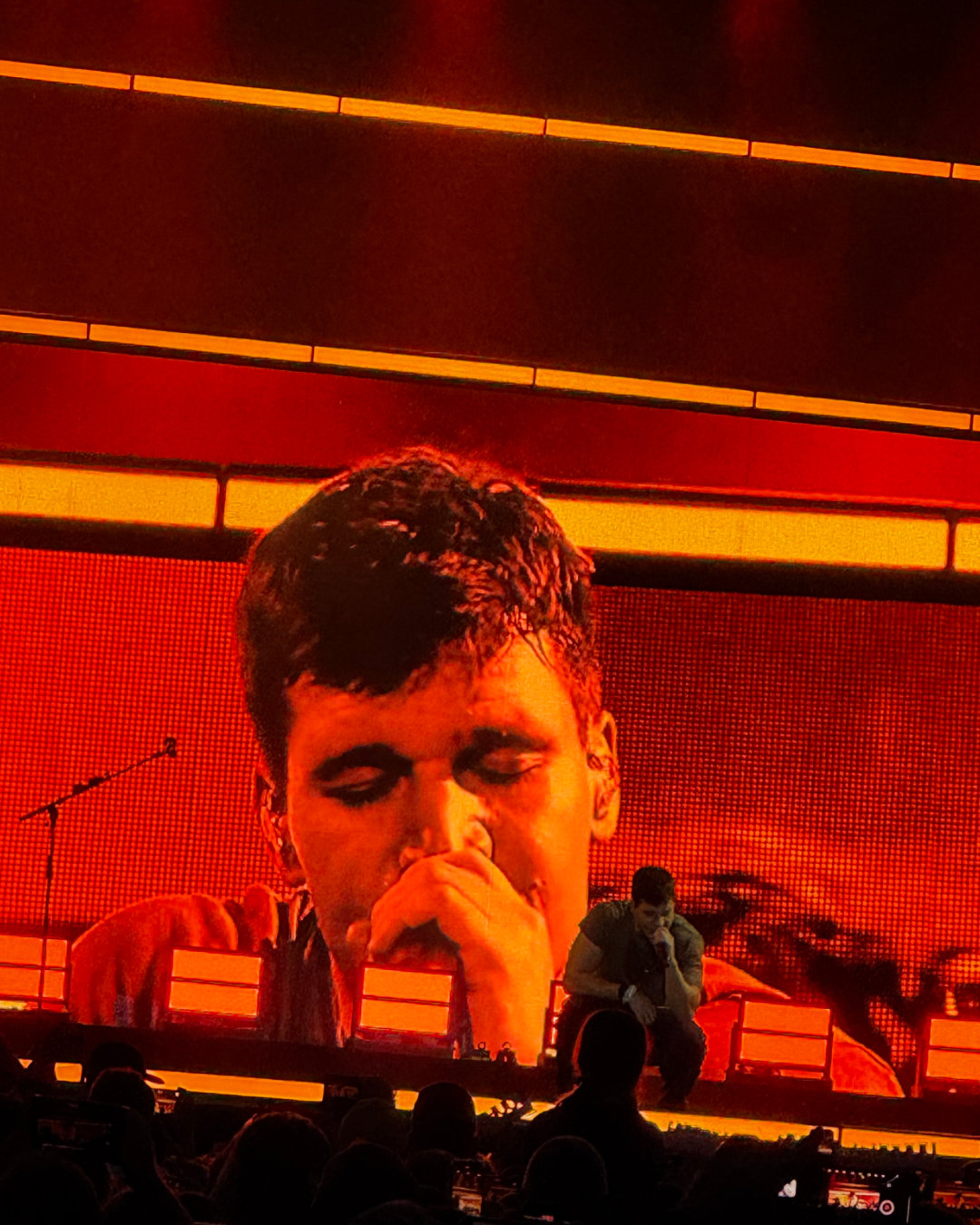
With so much happening across the stage, the live camera image needed to remain clear and immediately readable. We worked with a clean camera feed and an American-style framing approach, allowing the live image to move between the side IMAG screens and the LED content on stage.
I wanted the camera treatment to belong to the same visual world as the lighting and video, without compromising the audience’s connection to Wincent. That meant keeping the image relatively clean and avoiding excessive distortion or heavy glitch effects.
For Uhhh / Alle so, we took a different approach. Using Resolume and Notch, the live image multiplied Wincent across the on-stage screens during the chorus. The effect was designed around the song’s rhythm, allowing the camera image to become part of the visual composition while keeping his face clearly recognisable.
This approach allowed us to use live imagery as another element of the show’s visual design, while preserving its primary purpose: bringing the artist closer to the audience.
The final stage of development was bringing everything together in rehearsals. After months of creative work, we could finally see how the stage architecture, video, lighting and physical effects behaved alongside Wincent’s performance.
A significant part of my work was developing the show’s flow: the transitions between songs, the timing of visual changes, and the relationship between Wincent’s movements and what happened around him. We worked through the show cue by cue, adjusting sequences and finding the right balance between the planned spectacle and the spontaneity of a live performance.
Some moments needed precise coordination between departments. Others worked better with more room for Wincent and the band to lead. The aim was to create a show that could run consistently across the tour while remaining responsive to the performance on stage.
The summer tour brought together a large team of specialists, each contributing their own expertise to the production. My role was to connect those contributions through the show’s dramaturgy and direction, working closely with the artist, creative departments and production team.
What began as an idea for a modular stage developed into a complete two-hour show, with its own visual language and a clear progression from daylight into darkness.
Seeing that concept take shape through rehearsals and eventually travel across more than thirty shows was particularly rewarding. The production continued to develop along the way, with small adjustments to timing, transitions and visual details as we learned more about how it worked in front of an audience.
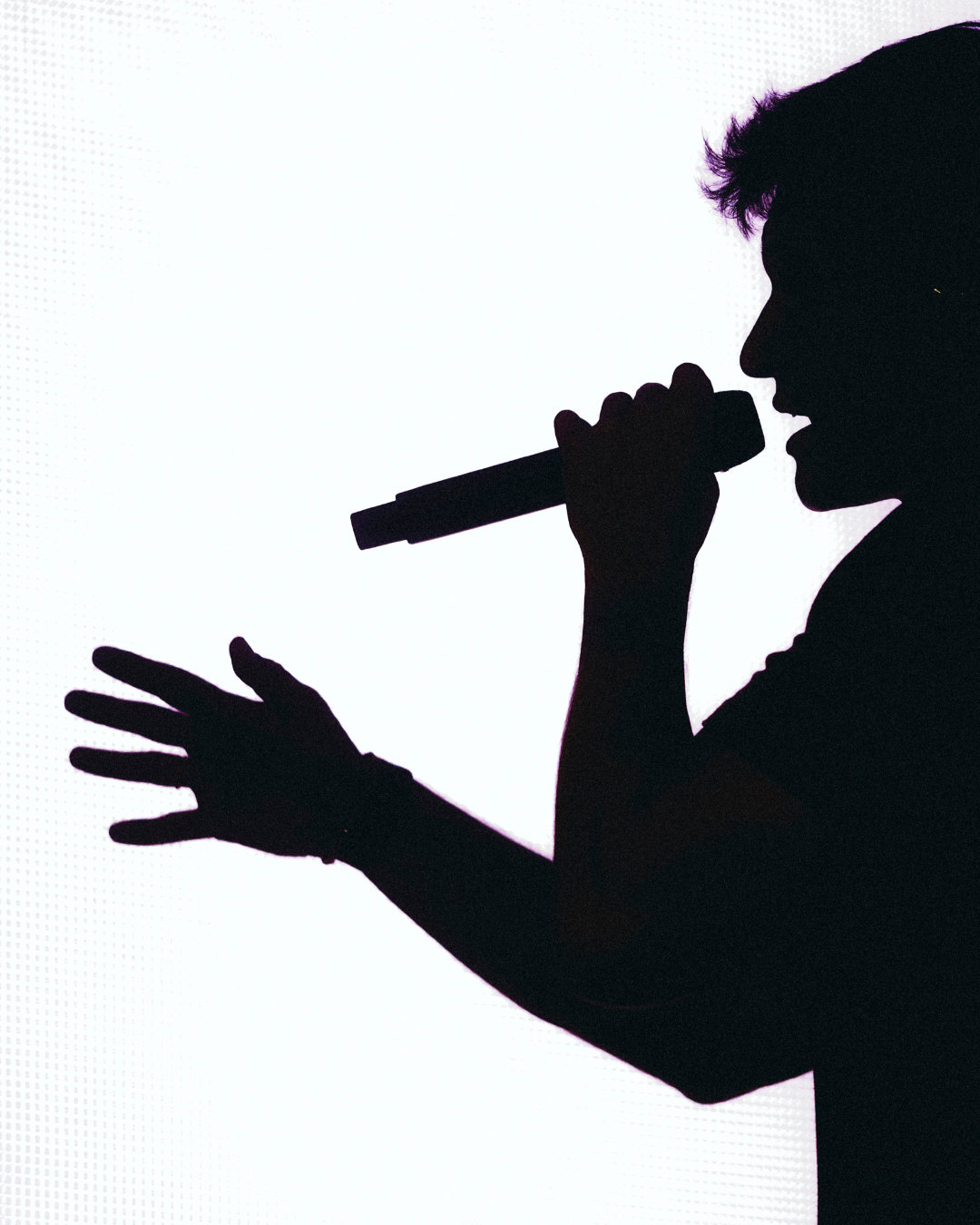
- Creative Direction & Creative Artist Lead — Led the creative and show direction from the initial concept through to the finished production. Working from Wincent’s original stage idea, I developed the show’s dramaturgy and coordinated its creative development, keeping his performance and musical identity at the centre of the process.
- Authored the Show’s Creative Framework — Established the creative principles that guided the production, including the Five North Stars and the progression from Luminous Maximalism to Radiant Momentum. These provided a shared reference for the lighting, video, staging and special-effects departments throughout development.
- Daylight-First Visual Strategy — Developed a visual approach specifically for an outdoor show beginning in daylight. Drawing on contemporary big-room and techno aesthetics, we worked with bold colour fields, white, strong contrasts and music-driven visual changes, allowing the stage language to evolve naturally as daylight faded.
- Directed Content Creation & Pipeline — Led the creative development of the video content with Balkan Karışman and Antonia Melzer, establishing visual references, reviewing content and directing its integration with the show’s music, lighting and staging. The production combined generative work in TouchDesigner with content prepared for Resolume and bespoke Notch looks.
- Integrated Pyro, Fire & Atmospherics as Dramaturgy — Worked with H4Stage to integrate eCO₂, fire and aerial fireworks into the show’s musical and visual sequences. This included the recurring cloud effects, the fire sequence in FLIEG and a tightly coordinated fireworks finale, with physical effects developed alongside lighting and video.
- Camera & IMAG Direction — Established the visual approach for live camera imagery, prioritising clear, recognisable images of Wincent and consistent framing across the side IMAG screens and on-stage LED surfaces. Worked with camera director Roland Wittmann and his team to integrate live imagery into the wider visual language, including selected treatments developed with Resolume and Notch.
- Action-Mapped Show Flow — Developed the show’s staging and transitions around Wincent’s performance, mapping his movements, positions and interactions with the audience. Storyboards and cue planning connected those actions with changes in video, lighting and special effects, allowing the stage to respond to the performance throughout the set.
- Led On-Site Show Direction — Directed the show through technical rehearsals, production rehearsals and premiere. Worked with the artist, band and creative departments to refine transitions, coordinate cues and establish a reliable touring show that retained the flexibility of a live performance.
What interested me most was translating Wincent’s artistic ambition into a world that could grow and change around him. Developing the visual language was one part of that, but directing how it all came together in performance was just as important. How the stage responded to his energy, how his relationship with the audience shaped the experience, and how music, visuals and physical effects could become part of the same unfolding show.
I wanted to create something that felt entirely his own, where the quieter moments had as much purpose as the spectacle, and where the individual songs became part of a larger journey. Looking back, that’s what I enjoyed most about this project: bringing all these creative elements together into a show that felt like a natural extension of the artist himself.
Creative, Visual, and Show Direction
Wincent Weiss / Wincent Weiss Management
Concept & Creative Lead
Bäumler Productions
Production Design & Tour Production
Budde Talent Agency
Tour Management
Andy Machals
Creative- & Show Direction
Creative Departments
Tom Groß / Standtom
Lighting Designer
Johannes Münsch
Lighting Operator
Balkan Karışman, Antonia Melzer
Video Artists
Hauke Husemann / H4Stage
Pyro & Fire
Roland Wittmann & Team
Camera & Live Editing
Touring Services
Production & Tech
BTA, Coach Service Germany, Rock’n Roll Trucking, Rote Gourmet Fraktion, satis&fi, 4media.biz
Photos by Christoph Koestlin & Richard Hofmann-Apostolou.
Next Project
Wincent Weiss Arena Tour 2025